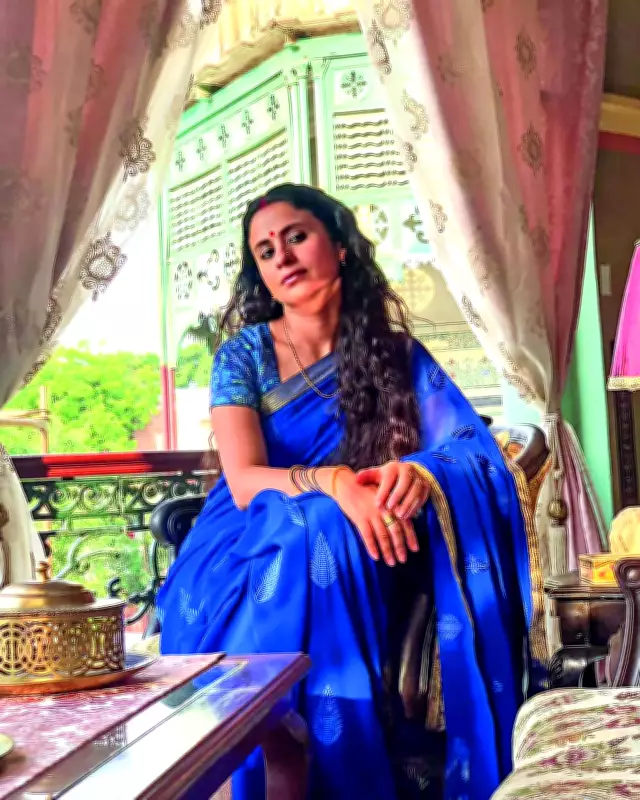
Rasika Dugal Reflects on Kolkata's Creative Influence and Her Artistic Journey
Kolkata holds a profoundly strong presence in my childhood memories, revealed acclaimed actress Rasika Dugal during a recent visit to the historic city. In an exclusive conversation, the versatile performer opened up about what makes a narrative truly compelling, her personal connection to Kolkata, and the evolving landscape for women in cinema and streaming platforms.
The Enduring Creative Pull of Kolkata
For Rasika Dugal, Kolkata remains a city deeply layered with nostalgia and vibrant creative energy. Kolkata is always full of wonderful surprises, she shared, reminiscing about childhood visits that felt like special rewards. Those formative experiences left an indelible mark on her imagination.
I was completely fascinated by how every conceivable mode of transport coexisted there – from vintage trams and yellow taxis to hand-pulled rickshaws, all moving together in a unique symphony, she recalled with evident fondness. Even today, the city continues to spark her creative impulses. The atmosphere in Kolkata genuinely makes you feel inspired to create something meaningful, Rasika reflected thoughtfully.

She acknowledged that, like other major Indian cities, Kolkata is expanding and transforming in unexpected ways. A part of you naturally wants it to preserve its cherished character, but change remains an inevitable part of urban life, she observed. Yet certain landmarks maintain their timeless appeal for her – Park Street, she noted affectionately, remains absolutely one of my favourite streets anywhere in the country.
Championing Multidimensional Female Characters
Speaking at the fourth edition of Times Power Icons East 2026, Rasika addressed the long-standing limitation she encountered in her career. For quite some time, it felt like I was predominantly offered morally upright, one-dimensional female characters, which never felt entirely authentic to real human experience, she explained. In reality, she emphasized, women possess far greater complexity and depth.
I have always been genuinely amazed by the mischief, intelligence, and remarkably clever ways women navigate their personal circumstances and societal challenges, Rasika stated. Those subtle, often hidden nuances, she believes, form the foundation for the most compelling and relatable storytelling.
Decoding Beena Tripathi's Survival Instinct
Among Rasika Dugal's numerous acclaimed performances, her portrayal of Beena Tripathi in the gritty crime drama Mirzapur continues to generate significant discussion and debate. For the actress, however, Beena's fundamental motivations remain clearly defined. For Beena, everything ultimately revolved around pure survival, she clarified, referencing one of her favourite lines from the series: Tum bhi survive karoge aur hum bhi.
Within the hostile, patriarchal environment of the show, Beena constantly maneuvers to protect herself. What makes the character particularly fascinating, Rasika elaborated, is how that basic survival instinct gradually transforms into calculated ambition and a quiet, determined pursuit of personal power.
Rejecting Singular Definitions of Womanhood
Rasika Dugal passionately advocates for storytelling that reflects the full spectrum of female experience. There is absolutely no single, correct way of being a woman, she asserted, adding that personal choices regarding clothing, lifestyle, or behavior should not be automatically viewed as transgression. Overcoming centuries of social conditioning presents considerable challenges, she acknowledged, but powerful, nuanced narratives can effectively prompt audiences to question their own assumptions and re-examine their relationships.

Navigating Diverse Character Worlds
Reflecting on three of her most notable roles, Rasika observed that they arrived in her career around a similar period but represented completely different emotional and psychological worlds. She described Safia Manto in Nandita Das's film Manto as the devoted, supportive partner audiences might anticipate, yet the director ensured the character received the dignity and narrative attention often denied to caregivers, who are frequently women.
Choosing projects often comes down to creative instinct and the collaborators involved, she explained. When Manto was offered, with Nandita directing and Nawazuddin Siddiqui starring, I agreed immediately – especially as I was an avid reader of Manto's literature and was actively learning Urdu at that time.
In contrast, Neeti Singh in Delhi Crime felt closer to her own personality – an idealistic police officer who genuinely believes her work can create positive change and strives meticulously to follow proper procedures. Meanwhile, Beena from Mirzapur inhabits a dramatically harsher, more ruthless universe. Although these roles emerged in a similar timeframe, their emotional landscapes were vastly distinct. That very contrast, Rasika concluded, is precisely what made portraying them so exhilarating and creatively fulfilling.
She fondly recalled her childhood association with Kolkata: Growing up, visiting the city was considered a special treat... we would be promised that if we performed well in our examinations, we would be taken to Kolkata, so it always retained that aura of being extraordinary.