Renuka Shahane's Harrowing Encounter with a Film Producer
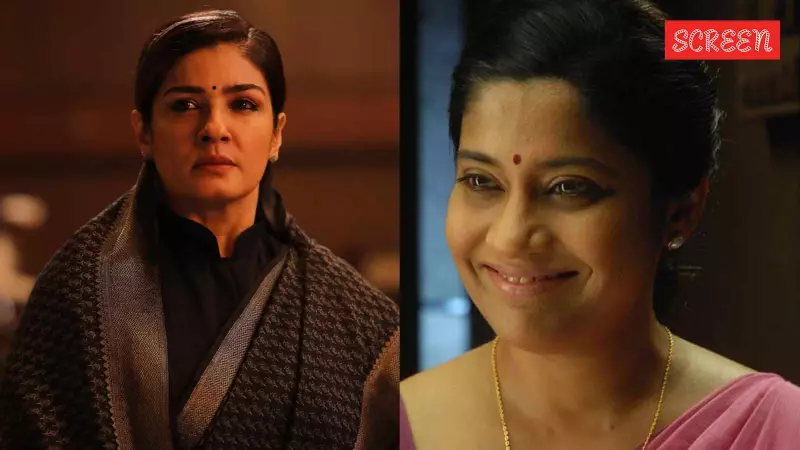
Veteran actor Renuka Shahane, celebrated for her roles in Hum Aapke Hain Koun and Cirkus, has shared disturbing accounts of the predatory behaviour she and others faced during their early careers in the Indian film industry. In a recent interview, Shahane recounted a traumatic incident where a married film producer visited her home and made an inappropriate proposition.
The producer audaciously asked her to become the 'brand ambassador' for a saree company, a thinly veiled pretext for a proposal where he would provide her with a monthly stipend in exchange for living with him. Shahane revealed that both she and her mother were left "aghast" by this brazen advance from a powerful industry figure.
The Industry's Culture of Fear and Retaliation
Shahane clarified that while she managed to refuse this producer, who then took his proposition to another actress, the situation is far more perilous for many. She highlighted the very real danger of professional retaliation for those who resist such advances. "Sometimes, when you refuse advances of someone, they come to take revenge and ask others not to take you. That is the danger," she stated, underscoring the vulnerability of artists.
She painted a grim picture of a system that often bands together to victimise the complainant further. "It’s a club which comes together and tries to victimise the victim more," Shahane explained, noting that victims can face being removed from projects, further harassment, or even denial of payment for their work if they speak up.
Raveena Tandon's Extreme Precautions and The Fading Impact of #MeToo
In a startling revelation that shows no one was immune, Shahane shared an anecdote about top Bollywood star Raveena Tandon. Despite being an A-list heroine with family connections in the industry, Raveena had to take extreme measures for her safety during outdoor shoots.
Shahane recalled that Raveena Tandon would change her hotel room every single day to ensure no one could track her location and "come and create a problem." This practice highlights the constant vigilance required by actresses, who often faced male actors, producers, and others knocking on their doors at night, with precautions sometimes offering little protection.
Shahane also expressed her concern over the waning impact of the #MeToo movement in India. She pointed out that many of the accused have comfortably resumed their careers after a few years, despite serious allegations. "The problem is that after the MeToo movement, the accused, after 5–6 years, are doing very good work after forgetting everything," she lamented. She added that without formal police cases, accusers are often confronted for not being able to 'prove' their allegations, placing the burden back on the survivors.