Restored 1989 Campus Film 'In Which Annie Gives It Those Ones' Sparks Nostalgic Reactions
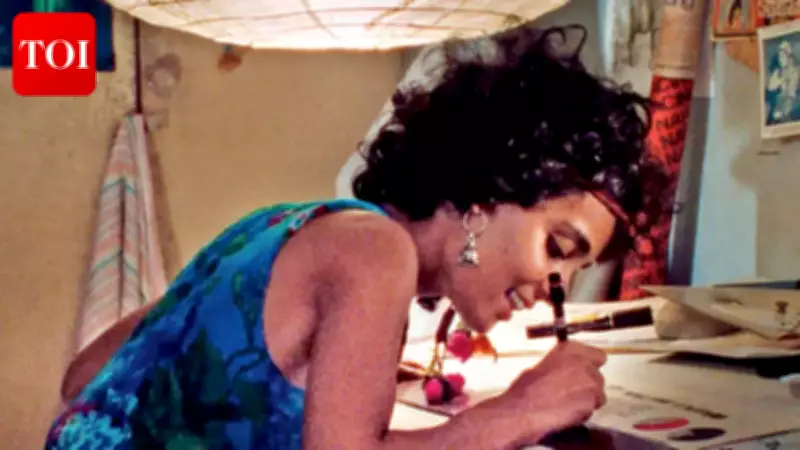
Moving, funny, ridiculous, and nostalgic – these were the overwhelming reactions from 1970s college-goers at recent screenings of the restored 1989 campus film In Which Annie Gives It Those Ones. The film, starring Arundhati Roy and featuring a cameo by Shah Rukh Khan, has been revived after 38 years, bringing back vivid memories of college days for many in the audience.
The Magic of Cinema Revived Through Restoration
Shivendra Singh Dungarpur, who spearheaded the film's restoration, described the screenings as a powerful reminder of cinema's enduring magic. "It is the magic of cinema that we witnessed at the Delhi and Mumbai screenings," he shared. "The audience in India reacted in the same manner as audiences in Germany did when the film premiered at the Berlin International Film Festival recently. I somehow knew that the film would work even after 38 years." This cross-cultural resonance underscores the timeless appeal of the film's themes and characters.
A Film About Radically Different Young People
When first made, the film's characters were a stark departure from conventional Indian cinema of the time. Directed by Pradip Krishen and written by Booker Prize-winning author Arundhati Roy, it follows eccentric architecture students in a 1974 Delhi college through their final year. These westernised, elite, English-speaking students were portrayed with a blend of eccentricity and idealism that was rare on Indian screens.

Roy spoke candidly about the strange experience of revisiting a film she made nearly four decades ago. "It takes a lot of courage to sit in a hall and watch yourself when you are 38 years younger," she said. "I certainly had nothing to do with the restoration. Even archiving – I'm terrible at it. I just throw things away." Reflecting on the screenplay, Roy added, "When I looked at it recently, I thought, 'What was I thinking?' All I can say about this film is that it's a celebration of utter ridiculousness. Maybe at a time like this, that's all we have to celebrate."
She also highlighted how the film captures a unique youth culture. "Someone asked me what Gen Z would make of it. I don't understand all these terminologies – Gen Z, X, Y. But when I look back, I see a group of young people who were radically different from each other. They forgive each other and celebrated each other's eccentricities." This emphasis on diversity and acceptance remains relevant today.
Heritage and Healing Through Film
Arjun Raina, who played the titular character Annie, found the restored film unexpectedly emotional. "What I found very healing is that we suddenly have a heritage through this film," he shared. Reflecting on the spirit of the era, he offered a poignant metaphor: "We were like creatures in a jungle – someone was a squirrel, someone was a deer – all these delightful beings living together. Then came the '90s. The forest was cut, the wood became furniture, and our lives changed." This imagery speaks to the loss of a more carefree, interconnected time.
Roy had initially planned to attend the screening at the Berlin International Film Festival but withdrew after festival jury president Wim Wenders stated, "We have to stay out of politics." This decision adds a layer of contemporary relevance to the film's legacy.
Memories and Loss Over 38 Years
Director Pradip Krishen shared that over the past 38 years, ten members of the cast and crew have passed away, adding a somber note to the restoration. He recalled a humorous moment from the shoot: "When we were filming on the street and people asked what the film was called, we shortened it to 'Those Ones.' If someone asked, 'Kaun Kaun si film ki shooting ho rahi hai?' we'd say, 'Those Ones.' Later we overheard someone answering the same question and saying, 'Do Jawan.'" This anecdote highlights the film's quirky, grassroots origins and the playful spirit of its creation.

The restoration of In Which Annie Gives It Those Ones not only preserves a piece of cinematic history but also serves as a bridge between generations, offering healing and heritage to those who lived through the era and new insights for modern audiences.