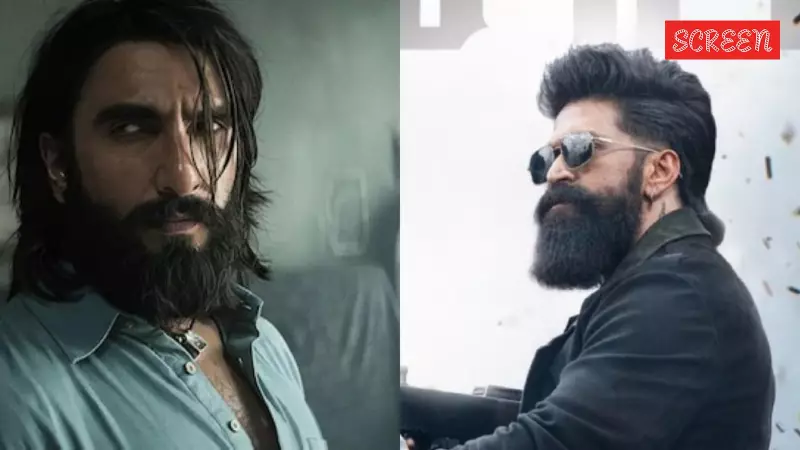
Filmmaker Ram Gopal Varma has stirred up fresh conversation online. He recently shared his thoughts on the upcoming box office battle between two major films. These movies are Dhurandhar 2 and Toxic: A Fairy Tale for Grown-Ups. Both are scheduled for release on Eid in 2026.
RGV Creates 'Dhuroxic' for the Showdown
Taking to social media platform X, RGV gave this clash a catchy new name. He called it "Dhuroxic." This portmanteau cleverly blends the titles of both films. It immediately brings to mind the famous Barbenheimer clash from 2023. But RGV did not stop at just naming the event. He framed the entire situation as a fundamental battle of cinematic ideas.
He described it as "the ultimate clash between ultra realistic cinema and ultra unrealistic cinema." According to his detailed posts, Dhurandhar 2 represents the side of realism. In contrast, Toxic represents a cinema of style and spectacle.

The Core Contrast According to RGV
RGV elaborated on the differences between the two filmmaking approaches. He explained his perspective in a series of pointed comparisons.
On Story and Character:
- He stated that Dhurandhar (D) is built on cause and effect. Its violence has moral and psychological foundations.
- Characters act out of necessity, not just to look cool. The film believes its audience is intelligent.
- For Toxic (T), style comes before logic. Violence exists to display attitude, not from narrative necessity.
- It assumes the audience seeks stimulation rather than deep emotional engagement.
On the Protagonists:
- The hero in Dhurandhar is human. He can fail, misjudge, and bleed. His power is limited and contextual.
- The protagonist in Toxic is described as "born bulletproof." The story bends to protect his 'ultra cool factor.' The world exists to worship him.
- RGV summed it up: "D speaks in silence. T shouts."
On Filmmaking Technique:
- He contrasted their visual grammar. In Dhurandhar, the camera acts like a witness. The frames are observational, and editing respects time and geography.
- In Toxic, the camera behaves like a master. Slow motion bloats reality, and editing manufactures intensity that may not organically exist.
More Than Just a Box Office Fight
RGV argued that watching both films side-by-side could prompt bigger questions about mainstream cinema. He posed rhetorical questions to his followers. Will smoking in slow motion still equal depth of character? Will violence be acceptable just for the sake of spectacle?
He painted a vivid picture of the viewing experience. Watching "Dhuroxic" on March 19th will be like "being inside a war zone versus next to a fashion shoot."
A Potential Cultural Shift in Cinema
RGV concluded by suggesting this clash could signify something larger. He wrote that "Dhuroxic" won't be just another box office collision. It could be a collision between truth and styling.
He proposed it might mark a cultural turning point. It could signal "the beginning of the end of hero worship" often seen in pan-India blockbusters from the South. This moment might see audiences moving away from worshipping bulletproof, god-like heroes. Instead, they may start demanding more relatable, human characters.
However, RGV also left the final verdict open. He ended his post by saying, "OR IT CAN BE VICE VERSA..THAT ONLY GOD and AUDIENCE WILL KNOW. Let’s find out on MARCH 19th the Dhuroxic JUDGEMENT DAY."
This is not the first time RGV has publicly praised Dhurandhar. In a recent interview, he lauded the film for challenging the dominance of South Indian cinema in the action genre. He noted that it treats its star, Ranveer Singh, as just one character among many, rather than an elevated, untouchable hero.
The stage is now set for March 19, 2026. The industry and audiences await what RGV has dramatically termed the "Dhuroxic Judgement Day."