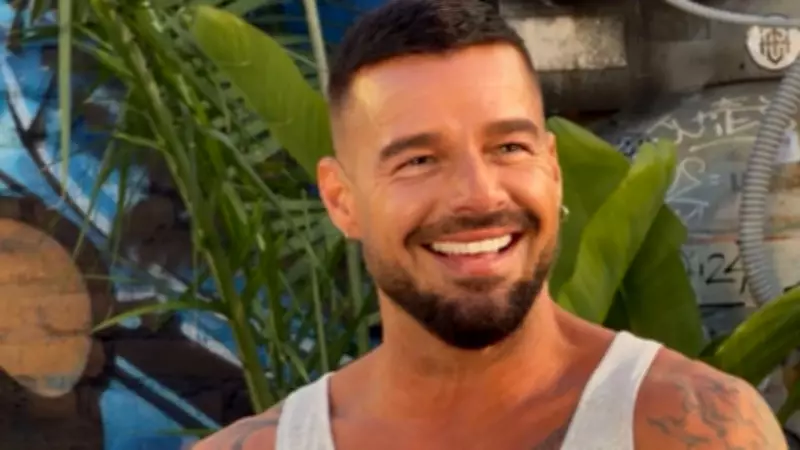
Ricky Martin's Emotional Struggle: The Darkness Before the Light
Ricky Martin, one of the world's most globally recognized entertainers, experienced an extraordinary career explosion throughout the 1990s. However, at the absolute zenith of his international fame, concealed behind his signature leather pants and meticulously polished public smile, the artist harbored a profound secret he felt compelled to hide from the world.
The Weight of Fear in a Different Industry Era
For Martin, the decision to publicly acknowledge his homosexuality presented immense difficulty, primarily because the entertainment industry landscape of that era was markedly less accepting. Internally, he carried the heavy burden of fear—fear of professional repercussions, fan rejection, and personal isolation. This emotional toll created a period of significant internal conflict during what appeared from the outside to be his most successful years.
The turning point arrived in 2010, when Martin welcomed his twin sons into the world. This profound life event provided the catalyst he needed to publicly disclose his sexuality, coming out as a gay man. The courage required for this revelation ultimately led to what Martin describes as a powerful sense of liberation and personal freedom.

"There's No Light in the Closet": A Powerful Declaration
In a revealing interview with GQ magazine, Martin articulated the emotional reality of his pre-coming out experience with the now-iconic statement: "There's no light in the closet." These words powerfully encapsulate the emotional darkness, pressure, and isolation he endured before embracing his authentic self publicly.
Martin elaborated further during the conversation, stating, "I don't want guilt or shame. Because only if you're wearing my shoes would you know what I was going through." This acknowledgment highlights the unique personal journey each individual faces regarding sexuality and public identity. For Martin, emerging from that metaphorical closet allowed him to shine brighter than ever before, both personally and professionally.
Paving the Way for Future Generations of Artists
Today, Ricky Martin speaks openly and frequently about his personal journey, expressing genuine happiness at witnessing how societal attitudes have evolved toward greater acceptance. He firmly believes that his experience and very public coming out have helped pave a smoother path for younger generations of artists within the entertainment industry.
Martin feels particularly gratified knowing that emerging talents can now potentially live more openly, without carrying the same burdens of guilt or shame that he once shouldered. His trailblazing stance has contributed to a more inclusive environment where authenticity is increasingly celebrated.
From Menudo to Global Superstardom: A Career Retrospective
Ricky Martin's road to international fame began with the legendary Latin boy band Menudo during the 1980s. His rise within the group provided the initial platform, which he then parlayed into a spectacular solo career throughout the following decade.
The artist achieved true global superstardom through two landmark performances: his electrifying 1999 Grammy presentation of "La Copa de la Vida" and the subsequent worldwide phenomenon of "Livin' la Vida Loca." These moments cemented his status as a cross-cultural entertainment icon, making his subsequent personal revelations all the more significant within the public sphere.
Martin's journey—from teenage idol to global pop sensation to courageous advocate for living authentically—stands as a testament to personal evolution and the transformative power of honesty. His story continues to inspire conversations about identity, acceptance, and the ongoing progress within the entertainment industry and society at large.