Chef Sanjeev Kapoor's Stand for Culinary Identity at Padma Shri Ceremony
In the culinary world, a chef's coat and cap transcend mere uniform status—they embody identity, honor, and the relentless dedication behind the profession. The pristine white attire not only distinguishes chefs but symbolizes countless hours of hard work, passion, and sleepless nights invested in mastering their craft. When such a uniform becomes associated with a national honor like the Padma Shri, its significance amplifies exponentially. However, imagine being barred from wearing this emblem of pride at the award ceremony itself. This was the poignant dilemma faced by celebrity chef Sanjeev Kapoor in 2017, sparking a memorable protest that highlighted the deep respect chefs hold for their traditional garb.
The Dress Code Controversy: A Chef's Defiance
According to a revealing Instagram reel shared by Sanjeev Kapoor, his Padma Shri recognition in 2017 arrived with bittersweet emotions. In the post, he detailed how event organizers enforced a strict dress code for the gala evening at Rashtrapati Bhavan, prohibiting his chef coat and mandating "something more Indian." Kapoor's response was unequivocal: he objected firmly and declared readiness to forfeit the award. "If you don't want to give me the Padma Shri Award, then don't give it," he asserted, underscoring the uniform's non-negotiable value to his professional identity.
Evolution of Chef Attire: From Kitchens to Television
In his video series Kahaani Khazana, Kapoor recounted his culinary journey, noting that during his hotel career, he religiously donned full uniform daily. As he transitioned to television cooking shows, practical adjustments occurred—the chef's cap vanished first due to camera aesthetics, followed by the coat being replaced with vibrant shirts for a casual on-screen appeal. While accepting these changes, Kapoor maintained that the chef's uniform inherently carries a legacy of pride, a sentiment he believes has propelled chefs to their current stature and deserves preservation by the culinary community.

The Historic Evening: A Precedent-Setting Moment
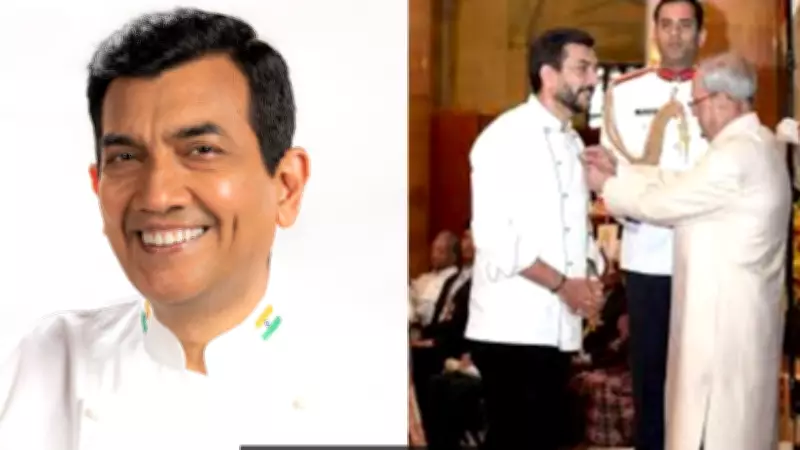
Kapoor elaborated that at the Padma Shri ceremony, officials initially resisted his request, citing no prior precedent for wearing a chef's uniform and insisting on national dress. Undeterred, he reiterated, "I will come in a chef's uniform. If you don't want to give me the Padma Shri Award, then don't give it." On April 13, 2017, he arrived at Rashtrapati Bhavan clad in his chef coat and, without further dispute, received the award—marking the first instance of an individual disregarding the event's dress code. This act not only honored his profession but also set a groundbreaking precedent for culinary recognition.
Symbolism of the Chef Coat: A Community's Pride
For Kapoor, the chef coat represents far more than apparel; it is a wellspring of pride for one's identity and culinary artistry. In his video's conclusion, he emphasized, "I feel that the Padma Shri is not just for me, but for the whole chef community." This perspective champions the uniform as a unifying symbol for chefs nationwide, celebrating their contributions beyond the kitchen.
Historical Context: The Chef Uniform's Journey in India
Historians trace the chef's uniform to the colonial era, when European establishments like clubs, railways, and hotels introduced Western-style kitchens to India. Prior to this, Indian culinary traditions, led by khansamas and maharajs, focused on skill and heritage over standardized dress, with cooks wearing simple cotton garments suited to the heat. Over time, Indian chefs adapted the concept, customizing coats to reflect personal and cultural nuances. While the classic white double-breasted jacket remains iconic, contemporary kitchens now embrace variations like black coats, colored piping, and personalized embroidery, showcasing the uniform's evolving yet enduring significance.