Sona Mohapatra Condemns Badshah's 'Tateeree' for Perpetuating Harmful Stereotypes
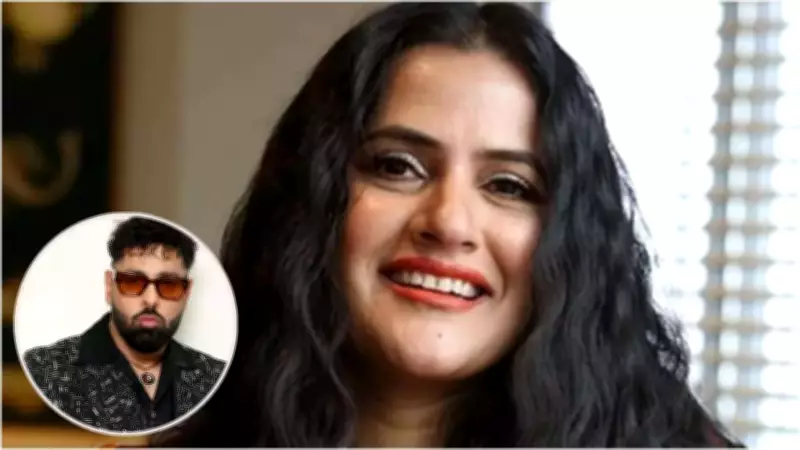
Amidst growing backlash over his latest track 'Tateeree', rapper Badshah faces sharp criticism from singer Sona Mohapatra, who has publicly denounced the song for its repeated use of misogynistic themes in pop music. Mohapatra emphasized the need for artists to acknowledge their cultural influence and act responsibly.
Instagram Post Highlights Pattern of Objectification
In a candid Instagram post, Sona Mohapatra did not hold back, stating that such content represents a recurring template in the industry. She described it as a scenario where a male performer "puffs up his chest, flexes masculinity, objectifies women, and projects himself as some irresistible hero while women exist merely to drool around him." She expressed frustration, noting this is not an isolated incident but a persistent trend.
Mohapatra further mocked the lyrical style prevalent in such songs, labeling it as "'tu mujhpe marti hai, mujhpe jaan chidakti hai' type of flights of rubbish swag." She argued that this reflects the laziest trope in pop culture, lacking genuine creativity and instead relying on outdated, harmful narratives.

Addressing Regional Identity and Gender Issues
Responding to Badshah's self-identification as a "son of Haryana," Mohapatra pointed out that this does not excuse problematic portrayals. She highlighted that Haryana already grapples with severe gender challenges, including some of the country's worst gender ratios, violence against women, and honor killings. Cultural influence carries a significant responsibility, she asserted, urging artists to either challenge misogyny or avoid profiting from it.
In her post, she directly called out Badshah and similar artists, writing, "Artists shape imagination. You can challenge misogyny or profit from it. BADSHAH & this lot, do better. & those of you fashion victim wannabes paying for this shit.. grow a brain or a soul?" She also criticized the use of young girls in school uniforms as props in the song's visuals, captioning, "& now young girls in uniforms as props ... Stop with this brain & soul rot. #India deserves better."
Legal and Public Backlash Intensifies
The controversy has escalated beyond social media, with the Haryana State Women's Commission issuing a notice to Badshah, requiring him to appear before them on March 13 to record his statement. This action followed a complaint filed by Savita Arya, president of Nari Tu Narayani Sanstha in Panipat, and Shiv Kumar, head of Shiv Aarti Foundation.
The complainants objected to specific lyrics in the song, such as "Aaya Badshah doli chaddhane, in sabki ghodi banane," alleging it uses filthy language and features minor girls in school dress boarding a Haryana Roadways bus and throwing school bags, which they argue is inappropriate and offensive.
Badshah's Response and Defense
On March 7, Badshah broke his silence on the matter, stating that he is a proud Haryanavi and did not intend to portray any child or woman negatively through his song. He explained that his music falls within the Hip-Hop genre, where lyrics often involve competitive elements aimed at bringing down opponents, suggesting this context should be considered in evaluating the content.
Despite his defense, the debate continues to spark discussions about artistic freedom versus social responsibility in the entertainment industry. As public figures like Sona Mohapatra voice their concerns, the incident underscores the ongoing struggle against gender stereotypes in popular culture.