Sona Mohapatra Condemns Badshah's New Song for Alleged Misogyny
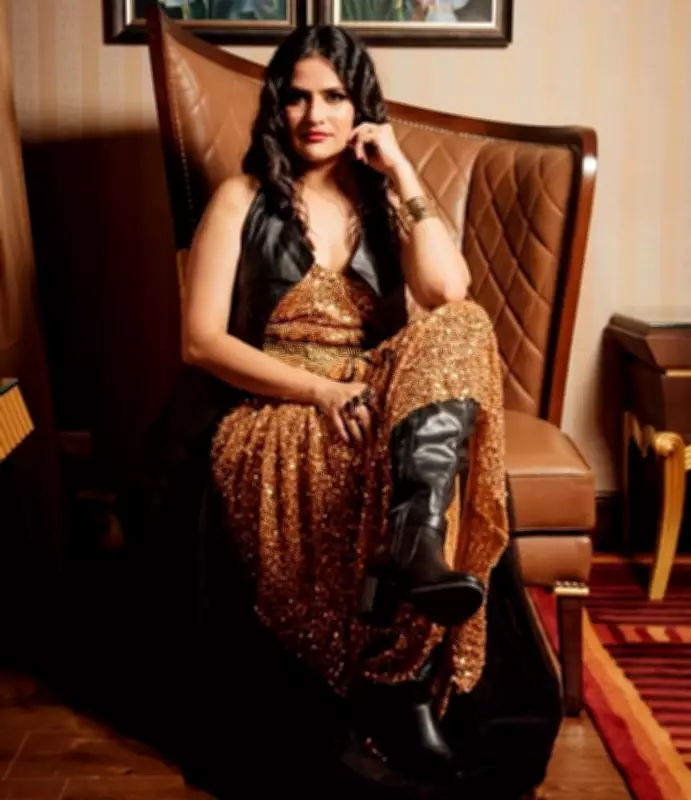
Singer and vocalist Sona Mohapatra has launched a scathing critique against popular rapper Badshah, targeting his recently released song for what she describes as deeply misogynistic themes. In a series of pointed social media posts, Mohapatra accused Badshah of exploiting regressive gender stereotypes for commercial gain, rather than using his platform to challenge or subvert such harmful narratives.
The Core of the Controversy
The dispute centers on Badshah's new track, which features lyrics and visuals that Mohapatra argues perpetuate objectification and derogatory portrayals of women. She emphasized that in an era where artists have significant influence, there is a moral imperative to promote progressive values. Mohapatra stated, "You can either challenge misogyny or profit from it—Badshah seems to have chosen the latter." This remark has ignited a broader conversation about responsibility in the entertainment industry.
Broader Implications for Bollywood Music
This incident is not isolated; it reflects ongoing tensions within Bollywood regarding gender representation. Mohapatra has been a consistent advocate for change, previously calling out other artists and productions for similar issues. Her criticism highlights a growing demand from audiences and activists for more ethical content that respects women's dignity. The debate underscores the power dynamics in music, where commercial success often clashes with social accountability.

While Badshah has not yet issued a formal response, the controversy has sparked mixed reactions online. Some fans defend the song as mere entertainment, while others support Mohapatra's stance, citing the need for greater sensitivity in lyrics and visuals. This divide illustrates the complex landscape of modern Bollywood, where artistic expression must navigate evolving social norms.
Looking Ahead: A Call for ChangeMohapatra's outspoken critique serves as a rallying cry for more conscientious creativity in the industry. It challenges artists to reflect on their impact and consider how their work shapes cultural attitudes. As discussions around misogyny in media continue to gain traction, this episode may prompt a reevaluation of content standards, pushing for a future where entertainment aligns with principles of equality and respect.