Sunil Grover Defends Mimicry as Tribute Amid Growing Celebrity Rights Concerns
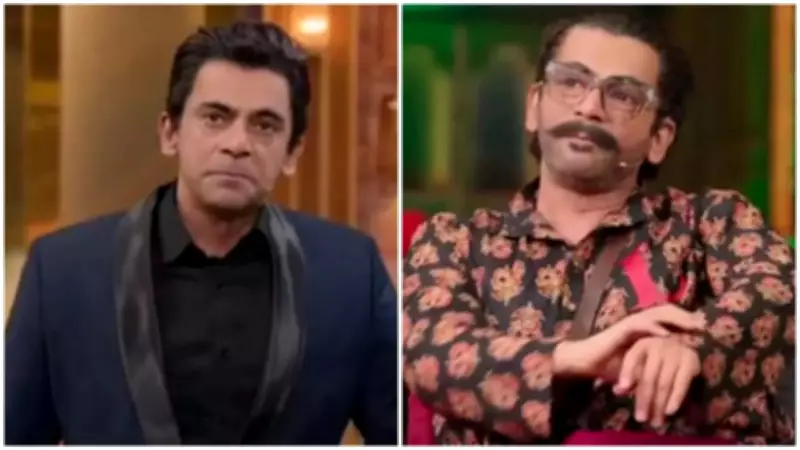
As an increasing number of Bollywood celebrities approach courts to safeguard their personality rights, popular comedian and actor Sunil Grover has offered his unique perspective on the issue. His impersonations of superstars Salman Khan and Aamir Khan have recently garnered significant attention, sparking conversations about the boundaries of creative expression.
"Until I Get a Case, I Won't Worry": Sunil's Lighthearted Take
When asked whether celebrity impersonation has become more challenging in the current legal climate, Sunil told Hindustan Times with characteristic humor, "Jab tak mere pe case nahi aata, tab tak to main nahi soch raha" (Until I get a case, I'm not thinking about it). On a more serious note, he clarified his position, stating emphatically, "For me, it's a tribute."
He elaborated that while the misuse of a celebrity's image for commercial endorsements or propaganda can be problematic, mimicry rooted in genuine admiration represents a form of celebration. "These personalities have become so big ke ab wo public ke bhi ho gaye hain and we, as people, celebrate them," he explained, highlighting how iconic figures become part of public culture.

When Mimicry Blurred Into Reality: The Aamir Khan Incident
Sunil's impersonation of Aamir Khan on The Great Indian Kapil Show became so convincing that it unexpectedly spilled over into real life. During the premiere of Happy Patel Ek Khatarnaak Jaasoos last month, paparazzi mistakenly addressed the real Aamir Khan as "Sunil Grover," creating a memorable moment that blurred the lines between performer and subject.
Recalling the incident, Sunil shared, "Kaafi din tak chalta raha ye, and it felt good. People even referred to me as 'Aamir sir'. I am a big fan of Aamir Khan and his work, and it's his greatness that he also took it all in zest." This episode underscores how successful mimicry can create amusing cultural intersections.
Drawing Creative Boundaries: "No Below-the-Belt Jokes"
While advocating for creative freedom in impersonation, Sunil emphasized the importance of maintaining dignity and respect. "The celebration should continue but yes, below the belt and offensive jokes, I don't support them," he stated clearly. "I don't like to talk about their personal lives too. Jo garima mein hai wo theek hai... uske paar jo jaye, hum koshish karte hain ki waisa na ho" (What's within dignity is fine... we try to ensure we don't cross that line).
He further explained his personal approach: "Personally, when I impersonate people, I celebrate them and it's my tribute to them, not to make fun of them in any way. So, I think they should give away celebration rights." This distinction between respectful tribute and disrespectful mockery forms the core of his philosophy.
The Growing Legal Landscape: Celebrities Seeking Protection
Sunil's comments come at a time when numerous public figures are actively seeking legal protection for their personality rights. Recently, veteran actor Shatrughan Sinha joined an expanding list of celebrities who have approached courts for such safeguards. This growing roster includes:
- Amitabh Bachchan
- Anil Kapoor
- Aishwarya Rai Bachchan
- Abhishek Bachchan
- Akshay Kumar
- Salman Khan
- Hrithik Roshan
- Jackie Shroff
- Karan Johar
- Suniel Shetty
- Vivek Oberoi
- Kumar Sanu
- Daler Mehndi
- Nagarjuna
- Asha Bhosle
This trend reflects increasing concerns about unauthorized commercial use of celebrity images and personas in advertising, merchandise, and digital content. The legal actions aim to establish clearer boundaries between acceptable public celebration and exploitative commercial appropriation.
Sunil Grover's perspective offers a nuanced middle ground in this ongoing debate, suggesting that mimicry performed with genuine admiration and within respectful boundaries should be recognized as cultural celebration rather than infringement. As the entertainment industry continues to navigate these complex issues, such distinctions between tribute and exploitation will likely become increasingly important for both performers and the celebrities they portray.