Super Bowl 2026 Halftime Show Sparks Political and Cultural Clash
The Super Bowl 2026 may have concluded, but the controversy surrounding its groundbreaking halftime performance, headlined by global superstar Bad Bunny, continues to dominate headlines. What began as a celebration of cultural unity has escalated into a heated exchange between former US President Donald Trump and acclaimed late-night television host Jimmy Kimmel, highlighting deep divisions in American society.
Bad Bunny Makes History with Spanish-Language Spectacle
On February 8, 2026, Bad Bunny took center stage at Levi's Stadium, delivering a halftime show that shattered records and made cultural history. The Puerto Rican artist became the first performer to headline the Super Bowl halftime show almost entirely in Spanish, captivating an audience of over 135 million viewers worldwide.
The performance featured electrifying energy, precise choreography, and surprise appearances from music icons Lady Gaga and Ricky Martin. Visual themes emphasized unity and cultural pride, culminating in Bad Bunny holding up a football inscribed with "Together, we are America" while screens displayed the powerful message: "The only thing more powerful than hate is love."

Initial reactions celebrated the show as one of the most inclusive and joyful halftime performances ever, with widespread praise across social media and entertainment circles.
Donald Trump's Scathing Critique
Approximately thirty minutes after the performance concluded, former President Donald Trump took to his Truth Social platform to express vehement disapproval. In a series of posts, Trump labeled the halftime show "absolutely terrible, one of the worst, EVER!" and declared it "an affront to the Greatness of America."
Trump criticized the Spanish-language aspect, stating, "Nobody understands a word this guy is saying," and called the dancing "disgusting, especially for young children." He framed the performance as a "slap in the face" to the country and predicted media would spin it positively regardless of his objections.
This wasn't Trump's first criticism of Bad Bunny's involvement. When the artist was initially announced for the Super Bowl, Trump had questioned the choice, saying, "I never heard of him. I don't know who he is. I don't know why they're doing it, it's crazy... I think it's absolutely ridiculous."
Jimmy Kimmel's Fiery Rebuttal
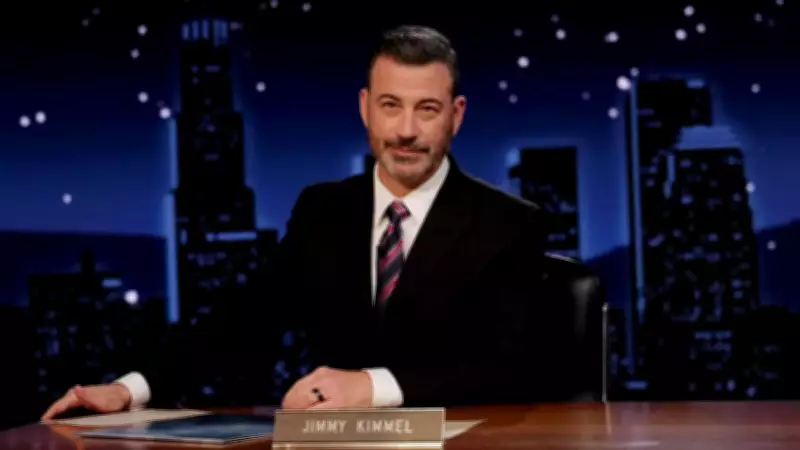
Late-night host Jimmy Kimmel responded to Trump's comments during his show the night after the Super Bowl, delivering a pointed monologue that blended humor with sharp criticism. Kimmel read Trump's Truth Social posts aloud and countered with his analysis of the situation.
Kimmel suggested Trump's outrage revealed more about the former president than about Bad Bunny's performance, which he described as "about bringing people together and celebrating culture, not stirring up division." He particularly mocked the MAGA-aligned group Turning Point USA for streaming their own "All-American" halftime show featuring Kid Rock, which attracted only about five million viewers compared to Bad Bunny's massive audience.
"All the snowflakes were so upset they might have to listen to Spanish for eight minutes, they decided to make their own halftime show," Kimmel quipped, referring to conservative viewers who objected to the Spanish-language performance.
Cultural Ironies and Political Theater
Kimmel highlighted several ironies in the situation. He noted that Bad Bunny is an American citizen from Puerto Rico, making his Spanish-language performance inherently American. He also pointed out that despite Trump's threats to boycott the halftime show, the former president reportedly watched Bad Bunny's performance from his golf club in West Palm Beach.
"Even Donald Trump didn't watch the Kid Rock halftime show. He watched Bad Bunny," Kimmel observed. "He wanted to make sure he hated him as much as he thought he would, and he did."
The late-night host argued that the controversy wasn't truly about musical preferences, stating emphatically, "This is not Kid Rock versus Bad Bunny. I mean, think about how dumb that sounds. This is not that!" Instead, he framed it as a political performance reflecting broader cultural divides.

Broader Implications and Reactions
The exchange between Trump and Kimmel has sparked widespread discussion about cultural representation, language politics, and entertainment's role in national discourse. Cultural commentators have noted how the controversy reflects ongoing debates about American identity in an increasingly diverse society.
Fans, celebrities, and political analysts have weighed in on both sides, with many praising Bad Bunny's historic achievement while others echo Trump's criticisms. The incident demonstrates how major cultural events like the Super Bowl halftime show have become flashpoints for broader political and social conversations.
As the dust settles, Bad Bunny's record-breaking performance remains a landmark moment in Super Bowl history, while the subsequent political firestorm illustrates the complex intersection of entertainment, culture, and politics in contemporary America.