Ram Gopal Varma Lauds Dhurandhar's Revolutionary Impact, Contrasts with Animal
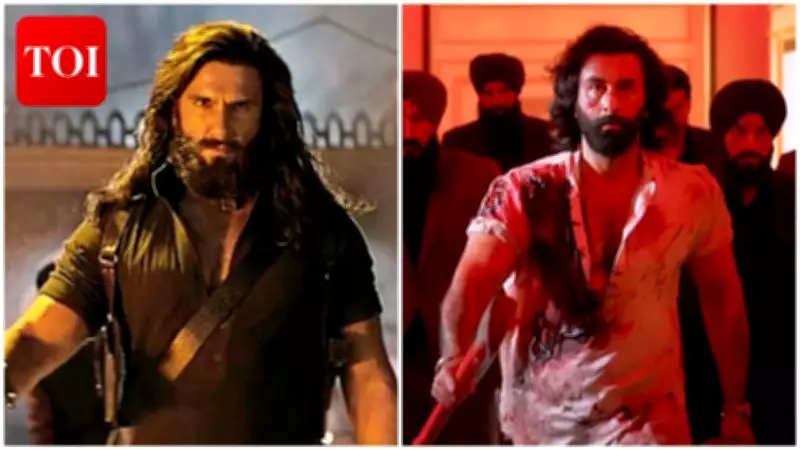
In a candid discussion with Galatta Plus, acclaimed filmmaker Ram Gopal Varma has shared his profound insights on two of Bollywood's most talked-about films: Aditya Dhar's Dhurandhar and its sequel Dhurandhar: The Revenge starring Ranveer Singh, versus Sandeep Reddy Vanga's Animal featuring Ranbir Kapoor. Varma articulated why the former has resonated more deeply with him, emphasizing its groundbreaking approach to storytelling and character development.
Animal Stays Within Conventional Templates
Varma began by drawing a clear distinction between the two cinematic works. He stated, "Animal is still another version of The Godfather. Instead of Michael Corleone, you have Ranbir Kapoor. It's a father-son narrative where the father is attacked and the son assumes control. It remains firmly within that established template." In contrast, he described Dhurandhar as operating on an entirely different plane, likening its scale and ambition to that of a James Bond film, which sets it apart from traditional Bollywood fare.
Scale and Character Depth Define Dhurandhar's Superiority
Elaborating on the elements that elevate Dhurandhar, Varma highlighted the critical role of scale. He pointed out, "Animal lacked that grand scale. Its villains were more ordinary, and the shock value primarily stemmed from Ranbir Kapoor's scenes and characterization. However, Dhurandhar's scale is immense, creating a more expansive and immersive world." This monumental scope, according to Varma, contributes significantly to the film's unique impact.

Furthermore, Varma delved into character portrayal, noting a stark contrast in how audiences perceive the protagonists. "Nobody looks up to Ranbir Kapoor's character in Animal. You might enjoy his performance or be shocked by his actions, but you don't aspire to be like him," he explained. "In contrast, characters like Shiva or Michael Corleone—and similarly, Hamza in Dhurandhar—inspire admiration. Hamza's understated nature, where he often observes silently without explaining himself, allows viewers to infer his emotions, making him more relatable and heroic."
Surprise at Ranveer Singh's Role and Praise for Aditya Dhar's Direction
Varma expressed astonishment that a mainstream star like Ranveer Singh embraced such an internalized role. "I couldn't believe a big hero would take on a part so deeply internalized. From Amitabh Bachchan's era, even internal anger was conveyed through punchy dialogues. Here, numerous close-ups leave the audience to interpret the hero's feelings, adding layers of complexity," he remarked.
He reserved high praise for director Aditya Dhar, crediting him with the film's emotional resonance. "You can have unlimited resources, but where will you find another Aditya Dhar? The nuances, character details, and emotional context—these elements cannot be fully grasped on paper. For instance, when Hamza burns the photo of his wife and son, it evoked a genuine lump in my throat. That's storytelling magic that transcends written scripts," Varma shared.
Redefining Heroism and Predicting Industry Disruption
Varma also discussed how Dhurandhar redefines heroism in Indian cinema. "Traditionally, heroes avoided showing pain to maintain fan appeal. But in Dhurandhar, when Hamza is stabbed, the portrayal of genuine pain is unprecedented. This realism fosters a stronger connection with the audience," he observed.
In his concluding thoughts, Varma predicted a lasting impact on Bollywood. "The fundamental difference is this: most filmmakers create what they believe audiences want to see. Aditya Dhar crafted what he genuinely wanted to tell. This approach is poised to disrupt everything in the industry," he asserted, underscoring the film's potential to influence future cinematic narratives.