Varun Grover's Hilarious Take on Mumbai Metro Sparks Viral Sensation
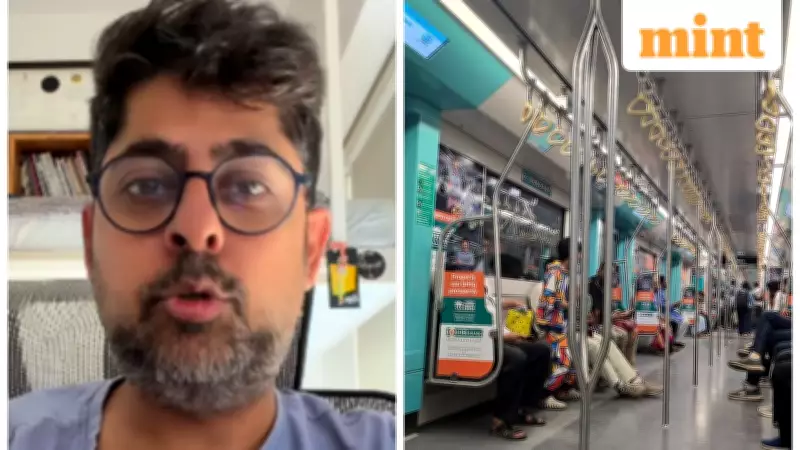
Renowned comedian and filmmaker Varun Grover recently declared he had retired from ranting, but Mumbai's metro system proved too irresistible to ignore. In a viral video that has captured the internet's attention, Grover delivers a deadpan yet dramatically compelling monologue about navigating what he calls "the strangest metro line in the world."
The Reluctant Return to Ranting
"I know rants have become very outdated and I haven't been doing it for a long time," Grover begins in the now-famous clip. "But now I am not going to stop. This is the final tipping point." The comedian's return to form comes with sharp observations about Mumbai's public transportation infrastructure that have resonated with thousands of commuters and social media users.
Disconnected Lines and Separate Tickets
Grover's central critique focuses on what he describes as metro lines that "behave like strangers forced into the same city." He explains the practical implications: "There are three lines. All three have different tickets… To go from Versova to BKC, first you have to get on one line and then get off. Then you have to take a separate ticket for the other line. They are not talking to each other."

This observation highlights a fundamental disconnect in Mumbai's metro system where, as Grover jokes, commuters are expected to "connect" the routes while the routes themselves refuse to connect. He contrasts this with international standards: "Wherever you go in the world… The lines are connected. You have a way from inside the station. We have not made a way. We have not made a connection."
Absurd Station Names Steal the Show
Perhaps the most memorable segment of Grover's rant focuses on the unconventional branding of stations. Referring specifically to Andheri station, he highlights the advertisement-style names that have become a source of both confusion and amusement: "The names of the stations. This is the name of Andheri station. Mutual Fund Sahi Hai Andheri. Lahori Jeera. Western Express [sic]."
Delivered in Grover's signature straight-faced tone, this commentary on commercialized station names quickly became the clip's standout moment, sparking widespread discussion about the intersection of public infrastructure and corporate branding.
Celebrity Reactions and Public Response
The video has amassed over 776,000 views on Instagram alone, generating reactions from both celebrities and everyday commuters. Singer Vishal Dadlani commented enthusiastically: "Man, that's insane!!! Puts living in Mumbai into clear perspective! Lahori Zeera station looking to be put out of its misery with a name-change real soon! #NextElectionCampaignIssue."
Actor Shreya Dhanwanthary offered a more concise response, simply echoing one of Grover's observations: "Mutual Funds Sahi Hai Andheri."
Other social media users joined in with humorous takes. One joked: "Safar nahin kar pa rahe toh suffer hi sahi" (If we can't travel comfortably, at least we can suffer together). Another declared simply: "Delhi Metro Best Button," while a third user questioned: "My problem is with Fevicol. Who suggested they sponsor Marol Naka which is world worst joined Metro junction?"
Serious Concerns Amid the Humor
Not all responses focused on the comedic aspects. One user expressed deeper frustration: "It baffles me how no one is demanding accountability for literally burning our tax money and shoving the ashes in our faces. This should infuriate all of us." This comment highlights how Grover's humorous critique has tapped into genuine public concerns about infrastructure spending and urban planning.
Grover's viral video serves as both entertainment and social commentary, using comedy to highlight practical issues facing Mumbai commuters while sparking important conversations about urban development priorities. The comedian's unique ability to blend sharp observation with deadpan delivery has created a cultural moment that transcends simple humor, making serious points about public infrastructure through laughter.