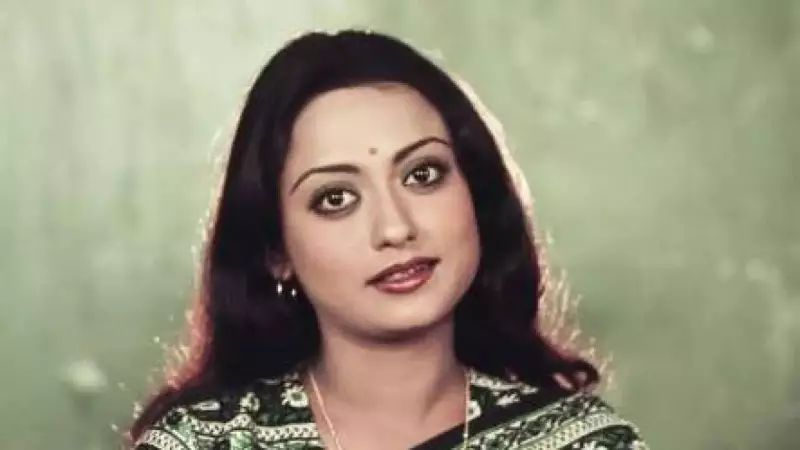
Veteran actor Talluri Rameshwari, renowned for her iconic performances in classics such as 'Dulhan Wahi Jo Piya Man Bhaye' and 'Seetamalakshmi', has shared a candid and introspective look at her cinematic journey. In a revealing conversation, she reflected on the whirlwind of sudden fame, the heavy burden of being typecast, and how one defining role irrevocably shaped the trajectory of her career.
The Double-Edged Sword of Becoming the Nation's Bride
Recalling the monumental impact of the Rajshri Productions' hit 'Dulhan Wahi Jo Piya Man Bhaye', Rameshwari explained to senior journalist Subhash K Jha how the film transformed her public image overnight. Audiences across the nation began to perceive her as the perfect, traditional daughter-in-law. While the outpouring of love was overwhelming, it also planted seeds of unease within the actor.
"At the same time, I used to get scared that I am not like that. I am not like that," she confessed, clarifying a crucial point about her character. She emphasised that the role was gentle and accommodating but never submissive. "She was willing to please everyone, but she was no doormat," Rameshwari stated, highlighting a widespread misinterpretation that would haunt her.

The film's success cemented her status as a household name and earned her the label "bride of the nation". This image, though adored by fans for its innocence, soon felt like a restrictive cage, laden with expectations that limited her off-screen identity and on-screen opportunities.
Typecasting and the Search for Creative Fulfillment
The actor revealed that the misunderstanding of her iconic character directly affected the roles offered to her subsequently. "People misinterpreted the character a lot. They felt she was a doormat when she was not," she explained. This led to a string of similar roles, creating a creative stagnation despite her success in other languages, like the Telugu blockbuster 'Seetamalakshmi'.
With nearly 30 films to her credit, the feeling of being stuck became palpable. The moment of clarity arrived during the making of the Odia film 'Manini' in 1985. "It was even better work than 'Dulhan Wahi Jo Piya Man Bhaye'. I had evolved as an actress, but I felt I was not going anywhere," she admitted. When asked if the iconic film harmed her future prospects, her response was unequivocal: "Oh absolutely!" She described how the powerful image shadowed her for decades, even affecting directors' perceptions of her performance choices in recent projects.
From Rajshri's Warmth to Industry Realities
Rameshwari spoke fondly of her nurturing experience with Rajshri Productions, where producer P.K. Gupta personally convinced her to take the role for a fee of Rs. 10,000 for the entire film. The care on set was exceptional, including being presented with "forty sarees to choose from" and immense respect from co-star Prem Kishen. However, this pampered environment made it difficult to adjust to the often-disorganized schedules of other film sets, where call times were frequently ignored.
Her career path was also altered by a tragic accident during the filming of 'Sunaina', which caused a serious eye injury that took nine months to heal. This life-altering event changed her perspective on life and work.
Today, Rameshwari chooses roles based on depth and impact, as seen in recent projects like 'Uppu Kappurambu' and 'Devara'. "I want to see what kind of impact the character has on the story," she said, valuing job satisfaction over screen time. "I want job satisfaction," the veteran actor concluded, underscoring a career philosophy now guided by self-respect and meaningful artistic choices.