The year 2026 is set to witness a significant homecoming in Bollywood. A trio of veteran directors, celebrated for defining commercial Hindi cinema in the 1990s and early 2000s, is returning to the director's chair. Priyadarshan, Rajkumar Santoshi, and David Dhawan are launching new projects, responding directly to a rising industry demand for mass-market storytelling that resonates deeply in India's tier-two and three cities.
The Strategic Comeback: Filling a Market Void
Industry experts point out that the urban and metro markets have reached a saturation point, with audiences there spoiled for choice between numerous OTT platforms and multiplex offerings. The films helmed by these veteran directors are now seen as crucial for robust box office performance. Their strength lies in their proven ability to create content that penetrates smaller markets and pulls family audiences back into cinema halls, a segment that is vital for blockbuster numbers.
Bhuvanesh Mendiratta, Managing Director of Miraj Entertainment Ltd, explains the unique value these filmmakers bring. "They come from an era where every scene was meticulously crafted for the big screen experience," he said. "Their storytelling is straightforward, emotionally charged, and inherently mass-friendly. While many contemporary filmmakers experiment with styles suited for OTT, these veterans possess the timeless skill of creating instant, impactful moments for a theatre audience."

The 2026 Slate: Stars, Nostalgia, and New Genres
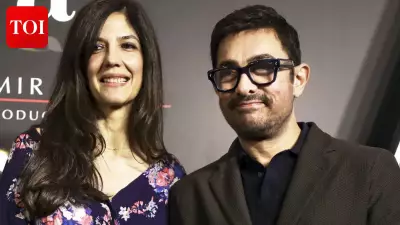
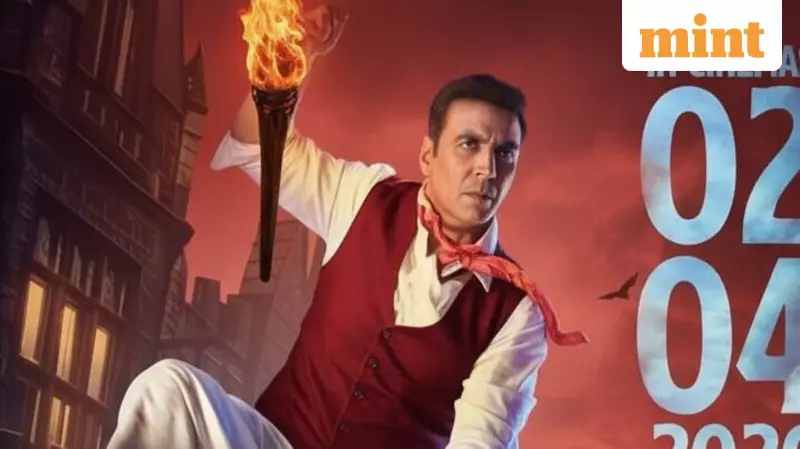
The comeback projects are high-profile and star-studded, mitigating any perceived risk from the directors' hiatus. Rajkumar Santoshi is directing the period drama Lahore 1947, produced by Aamir Khan and starring Sunny Deol. Priyadarshan reunites with Akshay Kumar for a horror-comedy titled Bhooth Bangla. David Dhawan steps back into his beloved romantic-comedy space with Hai Jawani Toh Ishq Hona Hai, featuring his son, Varun Dhawan.
These directors are remembered for iconic hits like Ghayal, Hera Pheri, Bhool Bhulaiyaa, Hero No. 1, and Judwaa. Their classic films continue to trend on television and streaming platforms, and some have even seen successful theatrical re-releases. This ensures that their comedic and dramatic style remains familiar to younger audiences, even if they don't recognize the directors by name.
Blending Nostalgia with Contemporary Appeal
The strategy behind these comebacks is multifaceted. Rahul Puri, MD of Mukta Arts and Mukta A2 Cinemas, notes that the saleable star power in each film attracts younger, Gen Z viewers. Simultaneously, the slightly older demographic is drawn by the trusted 'family entertainment' brand associated with these filmmakers' past work.
"Their new projects will naturally spark curiosity," Mendiratta added. "The final buzz will hinge on casting and how fresh the narratives feel, but these names still command immense trust with family audiences. If they nail the tone—clean humour, warmth, and strong emotions—they can deliver solid openings and powerful word-of-mouth."
The return is a clear signal from studios and producers. After a phase of niche, urban-centric content, there is a deliberate pivot back to old-school, larger-than-life storytelling with universal appeal. This trend was already evident in 2025's bumper successes like Dhurandhar (₹766.90 crore), Saiyaara (₹337.78 crore), Chhaava (₹600.10 crore), and Mahavatar Narsimha (₹182.83 crore).
As independent exhibitor Vishek Chauhan summarised, this shift is a function of demand and supply. Filmmakers have recognised the need to return to theatrical-friendly cinema. For younger audiences, the new projects offer exciting star-driven content, while the directors' rich filmographies are readily available online for anyone wanting to catch up on their legendary work.