Who is SZA? The American Singer Behind the Viral Mahashivratri Performance
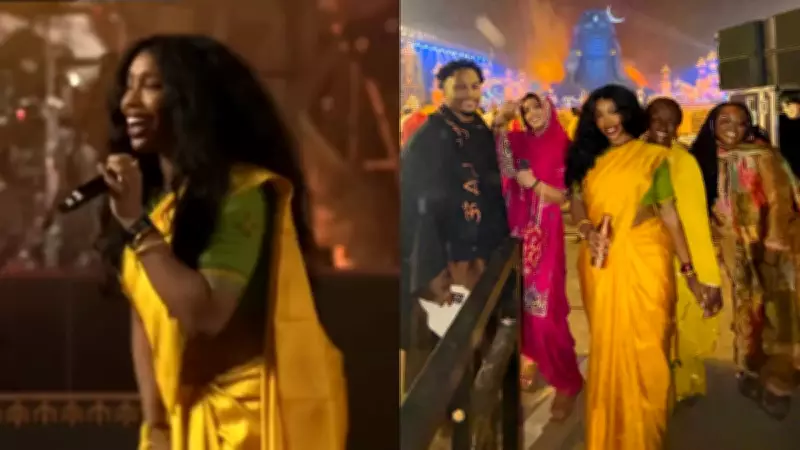
The entertainment world was recently captivated by a viral performance from American singer-songwriter SZA during Mahashivratri celebrations. This unexpected cultural crossover has sparked widespread curiosity about the artist and the significance of her involvement in this Hindu festival.
The Viral Mahashivratri Moment
On February 17, 2026, SZA delivered a performance that quickly spread across social media platforms and news outlets. The event featured traditional Mahashivratri elements blended with contemporary musical styles, creating a unique fusion that resonated with audiences worldwide. Videos and images from the performance garnered millions of views within hours, with fans and cultural observers alike praising the artistic integration.
Understanding SZA's Background
SZA, whose real name is Solána Imani Rowe, is an acclaimed American singer, songwriter, and record producer. Born in St. Louis, Missouri, she rose to prominence in the mid-2010s with her distinctive blend of R&B, soul, and alternative music. Her breakthrough album Ctrl (2017) received critical acclaim and commercial success, establishing her as a leading voice in contemporary music.

Over the years, SZA has collaborated with numerous high-profile artists and earned multiple Grammy nominations. Her music often explores themes of love, identity, and personal growth, delivered through emotionally resonant lyrics and innovative production. This artistic depth likely contributed to her thoughtful approach to the Mahashivratri performance.
Cultural Significance of Mahashivratri
Mahashivratri, meaning the Great Night of Shiva, is one of the most important Hindu festivals dedicated to Lord Shiva. Celebrated annually, it involves night-long vigils, prayers, fasting, and meditation. The festival symbolizes the overcoming of darkness and ignorance, with devotees seeking blessings for spiritual growth and well-being.
SZA's participation in such a culturally specific event represents a notable moment of cross-cultural exchange in the entertainment industry. It highlights how global artists are increasingly engaging with diverse traditions, potentially introducing new audiences to cultural practices they might not otherwise encounter.
Reactions and Impact
The viral response to SZA's Mahashivratri performance has been overwhelmingly positive, though it has also sparked discussions about cultural appreciation versus appropriation. Many observers have commended her respectful and authentic approach, noting how she incorporated traditional elements without diminishing their spiritual significance.
Music critics have pointed out that this performance aligns with SZA's broader artistic evolution, which has consistently embraced vulnerability and exploration of different influences. The event has also drawn attention to how religious and cultural festivals are being reimagined in contemporary contexts, particularly through digital media that allows for global sharing.
Broader Implications for Entertainment
This incident reflects several emerging trends in the entertainment industry:
- Cultural Fusion: Increasing collaboration between artists from different cultural backgrounds
- Digital Virality: How social media amplifies unique performances to global audiences
- Artistic Authenticity: The importance of respectful engagement with cultural traditions
- Audience Expansion: How such events can introduce cultural practices to new demographic groups
As SZA continues her musical career, this Mahashivratri performance will likely be remembered as a significant moment that bridged cultural divides through artistic expression. It demonstrates how entertainment can serve as a powerful medium for cross-cultural understanding when approached with sensitivity and creativity.