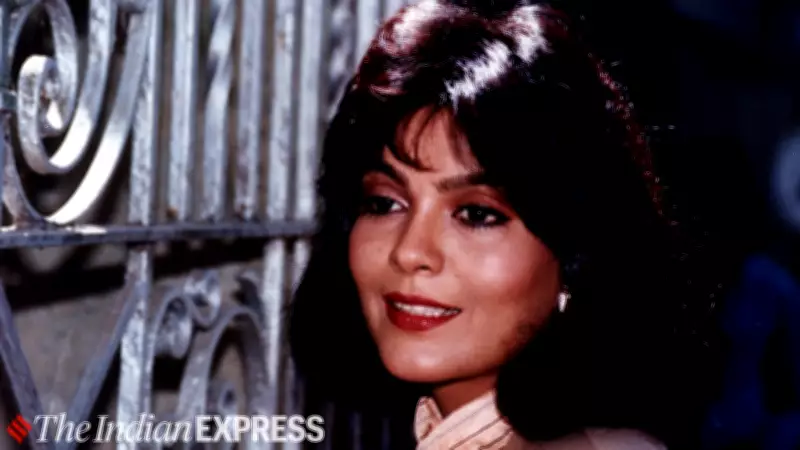
Zeenat Aman Revisits Film Scenes to Challenge Bollywood's Problematic Romance Portrayals
In a bold and introspective move, veteran actress Zeenat Aman has initiated a new Instagram series that critically examines selective clips from her iconic films. This initiative aims to question how Bollywood has historically normalized obsession and moral policing under the guise of romance, sparking a vital conversation about the influence of media on relationship perceptions.
Scrutinizing Problematic Scenes from Classic Films
Zeenat Aman recently shared a clip from the 1980 film Dostana, featuring Amitabh Bachchan. In the scene, her character, Sheetal, takes an eve-teaser to the police station, only to be subjected to a lecture from Inspector Vijay on appropriate attire for women. Reflecting on this, Zeenat expressed the anger and discomfort such moments evoke, highlighting their bitter familiarity for female viewers.
In another post, she revisited a scene from Teesri Aankh with Dharmendra, where her character, Barkha, aggressively pursues Ashok, repeatedly crossing boundaries. Zeenat noted that while the role reversal might seem delightful, it does not excuse the behavior. She emphasized that banter and mischief are part of courtship, but Bollywood often takes these to extremes, glorifying obsession over healthy love.

Expert Insights on Media Influence and Unlearning Toxic Scripts
Sonal Khangarot, a licensed rehabilitation counsellor and psychotherapist at The Answer Room, explains how repeated portrayals of obsessive behavior and moral policing in films shape societal norms. "When films repeatedly frame harmful actions as passionate love, they subtly condition viewers to accept such behaviors as desirable," she states. This normalization process, rooted in social learning, blurs the lines between intensity and intimacy, control and care.
Khangarot points to box-office hits like Kabir Singh or Animal, where protagonists' actions are often glorified without accountability, risking them becoming templates for real-life relationships. Over time, this exposure can lead individuals to internalize toxic ideas about romance, making it crucial to unlearn these narratives.
Steps to Unlearn and Establish Healthy Boundaries
Unlearning internalized romance scripts requires conscious effort and reflection. Khangarot advises starting by questioning whether behaviors portrayed as romantic would feel safe and respectful in reality. "This helps separate intensity from intimacy and attention from care," she notes. Key steps include:
- Identifying discomfort: Pay attention to feelings of unease or pressure as early signals of boundary violations.
- Setting clear boundaries: Communicate personal limits calmly and without over-explaining.
- Practicing consistency: Maintain boundaries to avoid reinforcing unhealthy patterns.
- Seeking support: Engage with social networks or therapeutic spaces for validation and guidance.
Zeenat Aman's series not only critiques past cinematic flaws but also encourages a shift towards more authentic and respectful portrayals of love in media, fostering healthier relationship dynamics in society.