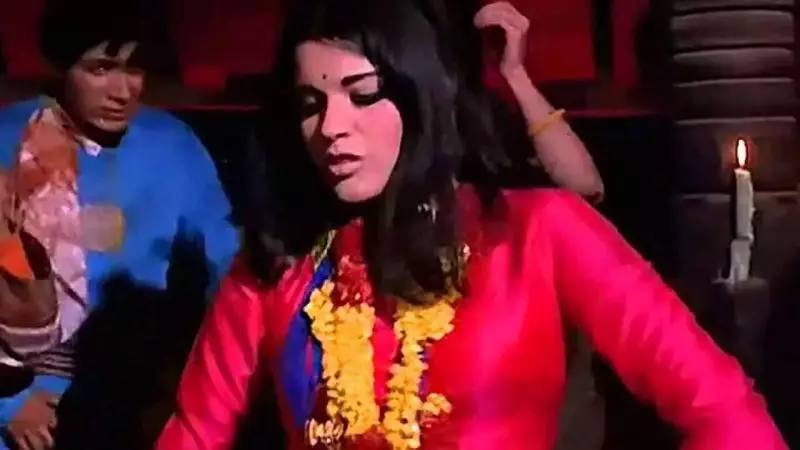
The iconic Bollywood film 'Hare Rama Hare Krishna' remains etched in memory, largely due to Zeenat Aman's breakthrough performance and the legendary song 'Dum Maaro Dum'. However, a recent revelation by Dev Anand's close friend Mohan Churiwala uncovers fascinating behind-the-scenes details that few know about.
Zaheeda Was the Original Choice, Not Zeenat Aman
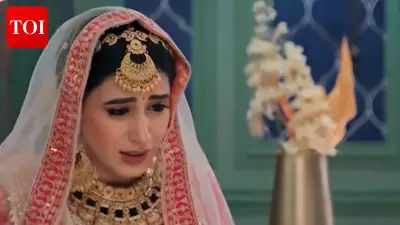
According to Mohan Churiwala, actress Zaheeda was initially considered for the pivotal role that eventually made Zeenat Aman a star. At that time, Zaheeda was reportedly romantically involved with Dev Anand. She ultimately decided to step away from the project because she felt uncomfortable playing his sister on screen. This decision opened the door for Zeenat Aman to take on the role that would define her career.
SD Burman's Strong Objection to the Original Story
Mohan shared an intriguing anecdote about the film's music. The legendary composer S.D. Burman was originally approached to create the soundtrack. After hearing the initial narration from Dev Anand, Burman expressed strong disapproval. Dev Anand had narrated a story where his character searches for his sister, falls in love with a woman, decides to marry her, and then discovers she is actually his sister.

Recalling Dev Anand's own words, Mohan said Burman stood up and declared, "Don't make this film, this is a disgusting story. What is wrong with you to plan such a story?" Burman found the subject matter too extreme and inappropriate.
Dev Anand Revised the Narrative
Realizing the controversy, Dev Anand revised the script by introducing another character to avoid any suggestion of an inappropriate relationship. Even with these changes, SD Burman refused to participate. He firmly told Dev Anand, "You don't make this film. I don't want to do it, and you shouldn't either."
Despite this strong opposition, Dev Anand remained determined to proceed with the project. His persistence would eventually pay off in unexpected ways.
RD Burman Takes Over the Music
As the story evolved to focus more on the decline of the hippie movement, SD Burman felt the film required a younger musical sensibility. He suggested that Dev Anand collaborate with his son, R.D. Burman. Mohan recalled Burman saying, "This is a modern film, and it needs a modern tune. For this, Pancham (RD Burman) will be better for you."
This decision led to RD Burman composing the memorable soundtrack, including the iconic 'Dum Maaro Dum', which became a cultural phenomenon.
Shooting Challenges at Pashupatinath Temple
The film faced significant logistical challenges during shooting at the Pashupatinath Temple in Nepal. This sacred site traditionally allows entry only to Hindus. A board at the temple clearly stated, "No admission to any caste or creed except Hindus."
Despite this restriction, Dev Anand managed to secure special permission for his team, which included three Muslim artists: Zeenat Aman, Mumtaz, and cinematographer Fali Mistry. Mohan emphasized the rarity of this achievement, noting that the crucial wedding scene involving Mumtaz was filmed there after personal intervention from King Mahendra himself.
"The temple was closed for the occasion, and we were allowed to shoot," Mohan recalled. "Who can do that now?" This access demonstrated Dev Anand's remarkable influence and determination.
Raj Kapoor's Emotional Reaction to 'Guide'
In the same conversation, Mohan shared a touching moment involving another Bollywood legend, Raj Kapoor. After watching Dev Anand's film 'Guide', Raj Kapoor made an emotional early-morning phone call to Dev Anand around 6 a.m.
Mohan recounted that Raj Kapoor praised both the film and Dev Anand's brother, Vijay Anand, who directed it. Raj Kapoor reportedly said, "You are so lucky to have such a talented brother." According to Mohan, Raj Kapoor was crying on the phone during this conversation, showing his deep admiration for Dev Anand's work.
These revelations from Mohan Churiwala provide a rare glimpse into the complex history behind one of Bollywood's most memorable films. They highlight the artistic risks, personal relationships, and logistical challenges that shaped 'Hare Rama Hare Krishna' into the classic it is today.