In a significant development, 179 professors and academicians have jointly urged Azim Premji University (APU) to revoke the suspension of a student who was penalized in connection with the violence that erupted on the campus on February 24. The university had suspended the student for two years and issued written warnings to two others following the incident.
Background of the Incident
The violence on the APU campus occurred on February 24, leading to a swift response from the university administration. After an internal inquiry, the university imposed a two-year suspension on one student and issued written warnings to two additional students. The decision sparked debate among the academic community, with many questioning the proportionality of the punishment.
Academics' Appeal
A group of 179 professors and academicians from various institutions across India have now written to the university management, requesting a reconsideration of the suspension. In their appeal, they argue that the punishment is excessively harsh and may have long-term consequences for the student's academic and professional future. They emphasize the need for a fair and just process that aligns with principles of restorative justice rather than punitive measures.

The academics also highlighted that the student's actions should be viewed in the context of campus dynamics and that the university should focus on creating an environment conducive to dialogue and conflict resolution. They called for the suspension to be revoked and for the student to be reinstated with appropriate counseling and support.
University's Response
As of now, Azim Premji University has not issued an official response to the appeal. The university administration previously stated that the disciplinary actions were taken after a thorough investigation and in accordance with its code of conduct. The institution has maintained that the safety and well-being of the entire campus community are of paramount importance.
Broader Implications
This case has drawn attention to the broader issue of student discipline in higher education institutions. Many observers believe that the outcome of this appeal could set a precedent for how universities handle similar incidents in the future. The involvement of such a large number of academics underscores the significance of the matter and the expectation that universities should uphold fairness and transparency in their disciplinary processes.
The incident has also prompted discussions about campus violence and the mechanisms in place to prevent such occurrences. Some experts suggest that universities should invest more in conflict resolution training and mental health support to address underlying issues before they escalate.
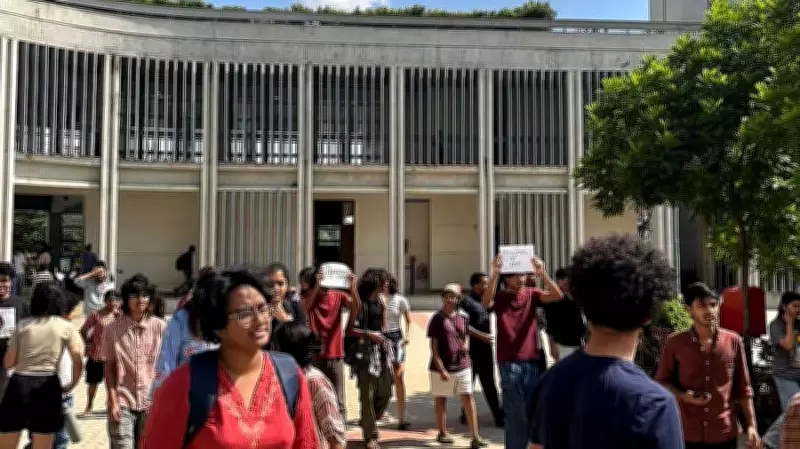
Meanwhile, student groups have expressed solidarity with the suspended student, organizing peaceful protests and awareness campaigns on campus. They argue that the university's response was disproportionate and that a more rehabilitative approach would be more effective in the long run.
As the academic community awaits the university's decision, the appeal by 179 professors and academicians serves as a powerful reminder of the collective responsibility to ensure justice and fairness in educational settings.