Digital Creator Apoorv Weighs Social Media's Benefits and Risks for Mental Health
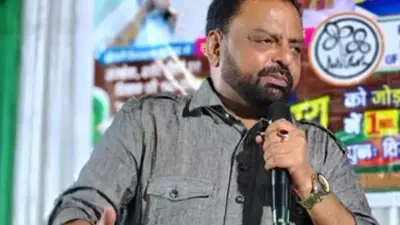
In a candid reflection, digital creator Apoorv, currently featured on the reality television show The Society, has opened up about the profound and often contradictory impact of social media on individuals' lives. He highlighted both the empowering aspects and the significant challenges that come with navigating the digital landscape, emphasizing the need for mindfulness and balance.
The Positive Power of Social Media: Connection and Community
Apoorv began by acknowledging the transformative potential of social media platforms. "On one hand, social media has given people a platform to express themselves, share their stories, and find communities that understand them," he stated. He elaborated that this digital connectivity helps combat feelings of isolation, allowing users to build supportive networks and feel less alone in their experiences. This aspect, he noted, has been particularly valuable in fostering a sense of belonging and reducing stigma around various personal issues.
The Darker Side: Emotional Pressure and Mental Health Pitfalls
However, Apoorv was quick to point out the serious downsides. "But at the same time, the digital world can amplify emotional pressure," he cautioned. He detailed several key concerns:

- Constant Comparison: Users often measure their lives against curated online personas, leading to dissatisfaction and anxiety.
- Validation-Seeking: The reliance on likes, comments, and shares for self-worth can create a cycle of dependency and low self-esteem.
- Fear of Judgment: The public nature of social media can instill a fear of criticism, inhibiting authentic expression.
Apoorv warned that these factors collectively "can affect people's mental health," and he observed that "sometimes, the line between sharing authentically and seeking validation becomes blurred." He stressed the importance of remembering that "social media is only a part of real life, not the full picture," urging users to maintain perspective.
Mindfulness in the Age of Virality and Personal Sharing
Addressing the trend of openness about mental health, Apoorv noted that while it has helped reduce stigma, it comes with risks. "When deeply personal moments go viral, they can sometimes be consumed like content rather than understood with empathy... that's where we need to be more mindful," he explained. He emphasized the need for compassionate engagement rather than passive consumption, highlighting how viral content can sometimes trivialize serious issues.
Personal Strategies for Navigating Online Spaces
Sharing his own approach to handling the pressures of social media, Apoorv offered practical advice. "I believe you shouldn't take every comment or judgment too personally," he said, invoking the saying, "'100 people, 100 mouths'—everyone will have something different to say." He elaborated that reacting to every opinion can derail one's focus, advocating instead for resilience and self-focus.
"If you start reacting to every opinion, you will lose focus on your own path. The key is to stay grounded, focus on your own growth, and remember why you started. At the end of the day, your self-belief should be stronger than outside noise," he added. This philosophy, he suggested, is essential for maintaining mental well-being and achieving personal goals amidst the constant chatter of social media.
In summary, Apoorv's insights serve as a timely reminder of the dual nature of social media—a tool for connection that requires careful management to protect mental health. His call for mindfulness, groundedness, and self-belief resonates as a guide for users seeking to harness the benefits while mitigating the pitfalls of the digital age.