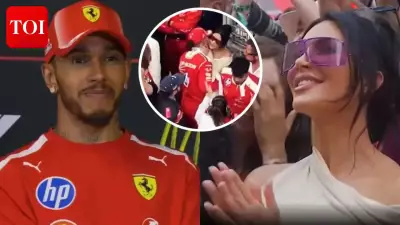
When Memes Collide with Celebrity Rights: A Legal and Social Analysis
The digital age has ushered in a new era of expression, where internet memes have become a ubiquitous part of online culture. However, this phenomenon often intersects with the rights of celebrities, creating a complex legal and social landscape. This article delves into the intricate relationship between memes and celebrity rights, exploring the implications for free speech, intellectual property, and public discourse.
The Rise of Memes in Digital Culture
Memes, typically defined as humorous images, videos, or text that spread rapidly online, have evolved from simple jokes to powerful tools of communication. They often feature celebrities, leveraging their fame to convey messages, critique society, or entertain audiences. The viral nature of memes means they can reach millions within hours, amplifying their impact on both the subjects involved and the broader public.
Legal Frameworks and Celebrity Rights
Celebrities possess various rights that can be affected by memes, including intellectual property rights such as copyright and trademark, as well as personality rights that protect their image and likeness. In many jurisdictions, using a celebrity's image without permission for commercial purposes can lead to legal action. However, memes often fall into a gray area, as they are frequently created for non-commercial, transformative, or satirical purposes, which may be protected under fair use or free expression laws.

- Copyright infringement when memes use copyrighted photos or videos of celebrities.
- Violation of personality rights if memes misrepresent or harm a celebrity's reputation.
- The challenge of enforcing rights in a global, decentralized internet environment.
Social Media and the Blurred Lines
Social media platforms like Twitter, Instagram, and TikTok have become hotbeds for meme creation and dissemination. These platforms often have policies that address copyright and harassment, but enforcement can be inconsistent. Celebrities themselves sometimes engage with memes, either embracing them for publicity or condemning them for perceived harm. This dynamic highlights the tension between public figures' desire for control over their image and the internet's culture of remix and parody.
For instance, a meme that goes viral can boost a celebrity's visibility, but it might also spread misinformation or negative stereotypes, leading to reputational damage.Balancing Free Expression and Protection
The conflict between memes and celebrity rights raises fundamental questions about balancing free expression with the need to protect individuals from harm. On one hand, memes are a form of cultural commentary and satire, essential for democratic discourse. On the other hand, celebrities deserve safeguards against exploitation and defamation. Legal systems worldwide are grappling with this balance, with some countries enacting stricter laws to protect personality rights, while others prioritize free speech.
Potential solutions include:- Developing clearer guidelines for fair use in the context of memes.
- Encouraging self-regulation by social media platforms to address harmful content.
- Promoting public awareness about the ethical creation and sharing of memes.
Case Studies and Real-World Examples
Numerous cases illustrate the challenges at this intersection. For example, celebrities have sued meme creators for unauthorized use of their likeness, while others have leveraged memes to enhance their brand. These examples show that the outcome often depends on factors like intent, context, and jurisdiction. As memes continue to evolve, so too will the legal and social responses, requiring ongoing dialogue among stakeholders.
In conclusion, the collision of memes and celebrity rights is a multifaceted issue that reflects broader tensions in the digital age. While memes enrich online culture and foster creativity, they must be navigated with respect for legal boundaries and ethical considerations. As society adapts to these changes, finding a harmonious balance will be crucial for both freedom of expression and the protection of individual rights.