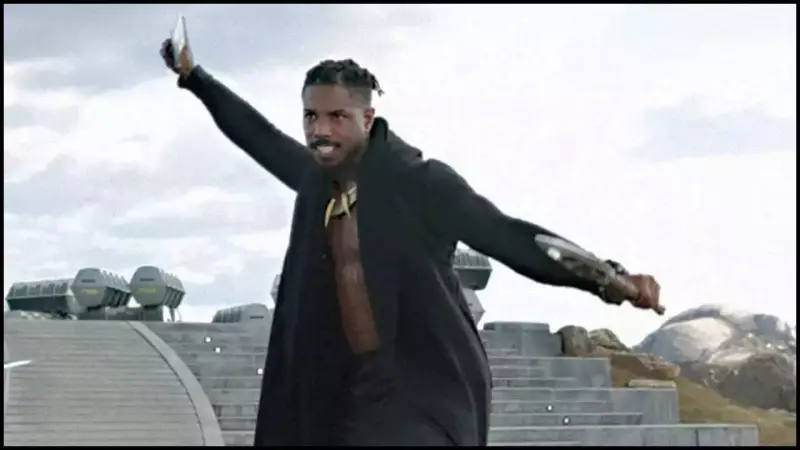
In a candid revelation, acclaimed Hollywood actor Michael B. Jordan has shared that the intense process of portraying the villain in the blockbuster Marvel film 'Black Panther' led him to seek professional therapy. The actor, best known for his role as the main antagonist Erik Killmonger, opened up about the psychological impact of the character during a recent interview.
The Emotional Weight of Playing Killmonger
Speaking to CBS Sunday Morning, Jordan reflected on his experience filming the 2018 cultural phenomenon. He confessed that the role of Killmonger, a complex character driven by betrayal, anger, and a desire to break historical cycles, stayed with him long after the cameras stopped rolling. "Went to therapy, talked about it, found a way to kind of just decompress," the actor stated, highlighting the lack of a clear blueprint for actors dealing with such emotional baggage.
Jordan detailed his immersive preparation for the part, which involved isolating himself from family and loved ones to fully embody Killmonger's solitary and embittered worldview. He explained that the character's lack of love and experience with systemic failure fundamentally shaped his anger. This deep dive into the psyche of a wounded villain left a lasting mark on the actor's own mental state.

A Career Built on Breakthrough Roles
Michael B. Jordan is no stranger to demanding roles. His career began as a child model in 1999, but his breakthrough came with the critically acclaimed film 'Fruitvale Station'. Since then, he has starred in major projects like 'Creed', 'Just Mercy', 'Fantastic Four', and his latest film 'Sinners'. However, the global success and emotional depth of 'Black Panther' presented a unique challenge.
The actor's honesty about seeking mental health support sheds light on the often unseen pressures faced by performers, especially when tackling roles with heavy thematic material. His journey underscores the importance of mental wellness in high-stakes creative professions.
Why This Story Resonates
Jordan's revelation is significant as it breaks the stigma around therapy, particularly for public figures. It also provides a behind-the-scenes look at the sacrifices and psychological toll method acting can entail. For fans, it adds a new layer of understanding to his powerful and nuanced performance as one of Marvel's most memorable villains.
By sharing his experience, Michael B. Jordan has started an important conversation about actor well-being, demonstrating that even the most successful stars need tools to separate their own identity from the intense characters they portray on screen.