Niharica Raizada, known for her thoughtful choice of roles, has opened up about her latest film Mercy, which delves into the sensitive topic of passive euthanasia. The film arrives at a poignant time, just a month after the Harish Rana case brought the issue of dignified death into the national spotlight. Raizada sees herself as a practitioner of art through healing, and Mercy embodies that philosophy.
The Significance of Mercy
Raizada explains that Mercy is not just a film but a conversation starter about the right to die with dignity. Passive euthanasia, which involves withholding life-sustaining treatment, is a deeply personal and ethical dilemma. The Harish Rana case, where a man fought for the right to end his wife's suffering, parallels the film's narrative. Raizada emphasizes that the story aims to humanize this complex issue, urging viewers to empathize with those facing such heartbreaking decisions.
Carrying Forward OP Nayyar's Legacy
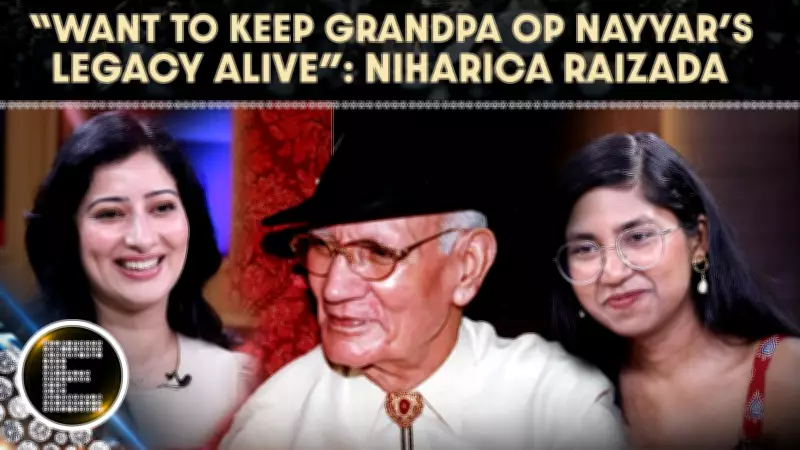
As the granddaughter of legendary composer OP Nayyar, Raizada feels a deep responsibility to honor his artistic heritage. She shares how his music, which blended traditional Indian melodies with modern sensibilities, inspires her to create meaningful art. In Mercy, she channels this legacy by choosing a project that challenges societal norms and sparks dialogue, much like her grandfather’s work did in its time.

Learning from Seasoned Co-Stars
Working alongside veteran actor Adil Hussain and other seasoned performers has been a transformative experience for Raizada. She notes that their dedication to craft and ability to convey profound emotions with subtlety have shaped her own approach. The collaborative environment on set allowed her to push boundaries and deliver a performance that resonates with authenticity.
Reflections on Dignity in Death
Raizada believes that the conversation around euthanasia is often shrouded in stigma, but Mercy seeks to bring it into the open with compassion. She hopes the film encourages audiences to consider the importance of choice and dignity at the end of life. By highlighting stories like Harish Rana's, the movie underscores the need for legal and social reforms that respect individual autonomy.
In conclusion, Niharica Raizada's journey with Mercy is a testament to her commitment to art that heals and inspires. Through this film, she not only pays homage to her grandfather's legacy but also contributes to a vital societal dialogue. As she continues to evolve as an artist, Raizada remains dedicated to projects that blend creativity with purpose.