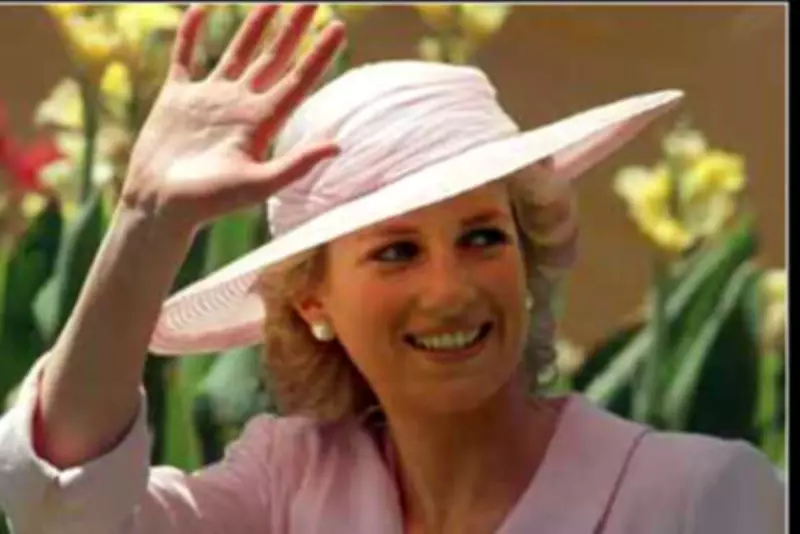
Taking to the celebrated stage of London's Royal Opera House during a special evening gala in December 1985, Princess Diana delivered a surprise performance that became one of the most memorable moments in modern royal history. Her unique participation in the event provided a rare opportunity for viewers to glimpse into her private life and her love of dance. While media coverage typically focused on her attendance at formal settings such as state visits, ceremonial ribbon-cuttings, and charity functions, this particular instance marked a departure from conventional protocol altogether.
A Departure from Royal Protocol
What makes the event intriguing is the unusual depiction of royalty through active participation rather than passive observation. This performance, secretly rehearsed as a surprise for Prince Charles, demonstrated an element of seriousness and playfulness combined. Instead of assuming the role of a mere spectator watching proceedings from the royal box, the princess chose to take a more active part and perform alongside an experienced partner. By participating in a dance rather than merely observing, she set an important precedent that highlighted her vivacious nature against the backdrop of the monarchy.
Secret Lessons and Trust
This particular performance was the result of several weeks of intensive preparation and absolute secrecy from all parties involved. According to an article in The Guardian titled 'The audience gasped when Princess Diana appeared,' the idea emerged from a secret meeting between the princess and dancer Wayne Sleep, where she proposed a confidential arrangement for a three-minute performance of the popular modern song 'Uptown Girl.' To make it work on such a stage required incredible trust and synchronicity from both dancers. As noted in another Guardian article, 'Wayne Sleep at 75: Did Rudolf Nureyev pinch my bum?,' the accomplished dancer had a successful career as a star performer with impeccable stage presence and considerable experience with highly athletic routines. This expertise ensured that the performance transcended mere novelty and became proper theatre.

The Performance Unfolds
When the princess unexpectedly emerged from backstage wearing an evening dress, the entire auditorium fell into complete silence, followed by thunderous applause. The pair performed a number of quick steps based on jazz and ballet, taking full advantage of the stage's size, matching the quality of the rest of the gala. This performance was witnessed by hundreds of distinguished arts patrons, who were impressed by the unexpected deviation from conventional royal manners, showcasing her playful confidence on stage. This unexpected display of her passion for the arts, meticulously prepared in secrecy, humanized the monarchy and forged a deeper connection with the public, proving that spontaneity could reshape royal perception.
Cultural Impact of Humanizing Royalty
The enduring appeal of the 1985 duet lies in its status as one of the most successful examples of a public figure crossing the line of formality. According to the article 'Wayne Sleep: The bigger the stage, the better I became' published by The Guardian, the event has become part of contemporary media history due to the princess's choice to soften her royal mask through dance. This historic moment also reflected an increased trend where citizens no longer relied solely on official photographs or strict palace statements to connect with royalty. Instead, it demonstrated that artful, unplanned moments could go much further in creating a connection with the public.
The lasting impression of that winter evening proves that a small yet joyous interlude can successfully reshape an institutional identity. By being an equal participant in the creative process alongside a veteran artist, Princess Diana created her own legacy in terms of cultural literacy, proving that the contemporary royal family could accommodate true human manifestations and spontaneity.