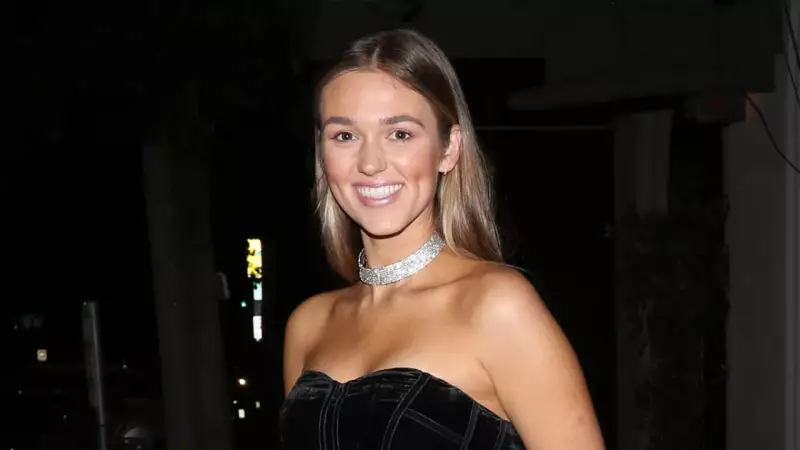
Former Duck Dynasty star Sadie Robertson has found herself at the center of a massive social media storm after her comments about Beyoncé's new music sparked widespread controversy and heated debates about cultural boundaries.
The Viral Backlash That Started It All
Robertson, known for her conservative Christian background, recently expressed strong disapproval of Beyoncé's latest musical releases on her TikTok platform. The reality TV personality's critique quickly went viral, attracting millions of views and triggering an avalanche of responses from fans and critics alike.
Social Media Erupts in Debate
The online reaction has been nothing short of explosive. Thousands of users have flooded social media platforms with conflicting opinions, creating a digital battleground where cultural values, artistic expression, and personal beliefs collide.

Supporters of Robertson argue she has every right to voice her opinions about music that conflicts with her values. Meanwhile, Beyoncé's massive fan base and cultural commentators have pushed back strongly, accusing Robertson of misunderstanding the cultural significance of the music she criticized.
Deeper Cultural Divides Exposed
This incident highlights the ongoing tension between different cultural spheres in America. The controversy goes beyond simple musical preferences, touching on broader questions about:
- Cultural appropriation vs. appreciation
- Freedom of expression boundaries
- The role of social media in amplifying conflicts
- Generational divides in entertainment consumption
The Cancel Culture Conversation Reignites
As the backlash against Robertson intensifies, discussions about cancel culture have resurfaced with renewed vigor. Some commentators see the viral reaction as another example of online mob mentality, while others view it as legitimate pushback against cultural insensitivity.
The situation continues to evolve rapidly across multiple social media platforms, with new developments emerging hourly. Both Robertson's and Beyoncé's names continue to trend as the cultural conversation expands beyond the initial musical critique to encompass larger societal questions about artistic freedom, cultural respect, and the power dynamics of public discourse in the digital age.