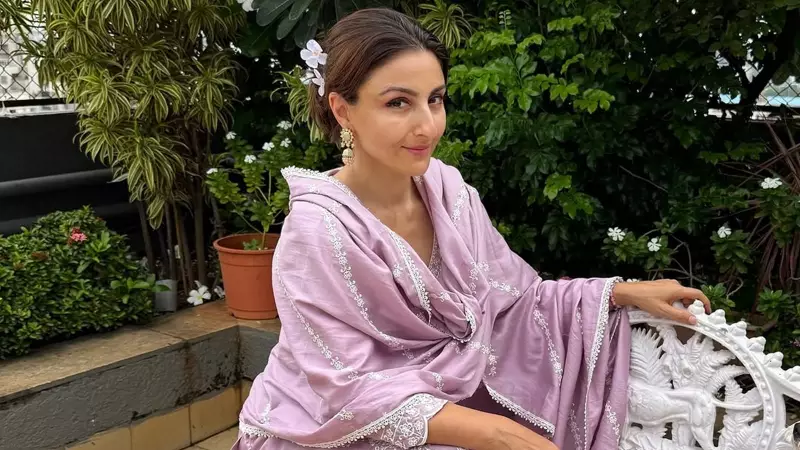
Bollywood actor Soha Ali Khan has candidly spoken about the persistent societal pressure on parents to have a son, highlighting how deep-rooted gender bias continues to affect even affluent and educated families in India.
The Unspoken Pressure for a Male Heir
In a recent interview with Just Too Filmy, Soha, who is a proud mother to a daughter with her husband Kunal Kemmu, shared her personal experience. "Something that still pinches me a little is that even today, in affluent families, well educated families from all backgrounds, there is still an expectation that if you do not have a son, your life is somehow incomplete," she revealed.
She expressed a sentiment familiar to many parents of daughters, stating, "I have a daughter and I am very happy. Most people around me are also happy. But there is always that feeling that somehow I am disappointing someone by not having a son." Her comments, made public on January 4, 2026, shed light on the subtle yet powerful social norms that prioritize male children.

Psychological Impact and Expert Insights
Dr. Arohi Vardhan, a senior consultant in adult, child, and adolescent psychiatry, explained the ramifications of this bias. "This bias can lead to emotional struggles for parents, especially mothers, and perpetuate gender inequality," she said. Dr. Vardhan pointed out that parents often feel compelled to follow cultural practices that clash with their personal beliefs, creating friction within families.
She also cited research from Developmental Psychology, noting that societal pressures can cause parents to project their anxieties onto their children. This often results in stricter parenting styles and reduced emotional freedom for the child.
To combat such negativity, Dr. Vardhan suggested several coping strategies:
- Promote Equality: Actively educate family members about the importance of providing equal opportunities for both boys and girls.
- Respect Individual Aspirations: Support personal goals, whether related to education, career, or hobbies, without gender-based limitations.
- Scheduled Family Time: Dedicate specific times for shared meals or activities to strengthen family bonds while respecting personal space.
- Conflict Resolution Mechanisms: Address disagreements through active listening and collaborative problem-solving.
Emotional Readiness: The Key to Parenthood
Psychologist Rutuja Walawalkar from Mpower, Aditya Birla Education Trust, emphasized a crucial but often overlooked aspect of family planning: emotional readiness. She told indianexpress.com that while discussions typically focus on age, finances, or job security, these factors alone do not prepare one for the realities of parenting.
"The key aspect is emotional readiness, the capability to care, to adjust, and to develop alongside a child," Walawalkar stated. She clarified that this doesn't mean having all the answers. Instead, it manifests in subtle shifts: moving from a sense of obligation to a genuine desire for children, willingness to share duties with a partner, and understanding the balance of challenges and profound joy in raising children.
She highlighted the invasive nature of questions like "When do you intend to have children?" that often follow soon after marriage. These inquiries, though not always ill-intentioned, can pressure young couples into making life-altering decisions based on external expectations rather than personal readiness.
"Partners who enter parenthood solely because of societal expectations frequently encounter increased stress, conflict, or resentment," Walawalkar warned. Conversely, she explained that a conscious, self-determined decision to become a parent, regardless of timing, typically leads to a smoother, healthier, and more fulfilling transition for the family.
The overarching message from both the celebrity revelation and expert advice is clear: critical life decisions like parenthood should be made from a place of personal conviction and emotional preparedness, not societal pressure. The journey of raising a child, boy or girl, is uniquely rewarding when it begins with a genuine choice.