Vivek Oberoi Reflects on Heartbreak and the Journey to Emotional Recovery
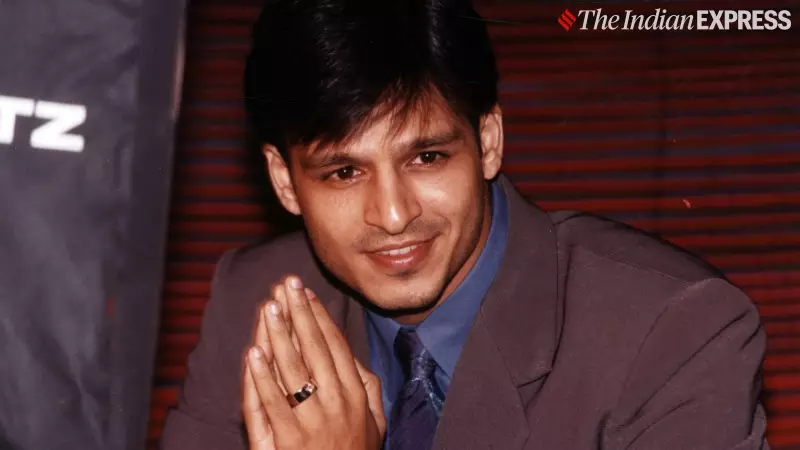
In a candid conversation, actor Vivek Oberoi has opened up about his personal experiences with heartbreak, revealing how emotional pain shaped his approach to relationships and personal growth. The actor, known for his roles in Bollywood films, shared profound insights during a recent discussion that touched on vulnerability, healing, and the importance of perspective.
From Emotional Shutdown to Opening Up Again
Vivek Oberoi described himself as a sensitive and emotional person who has experienced the deep loneliness that follows heartbreak. "I have been a very sensitive and emotional person in life," Oberoi stated. "I don't want to live in the fear of heartbreak because I have lived that already. I have experienced it—it's a very scary, lonely and insular life."
The actor admitted that after experiencing emotional pain, he initially responded by emotionally shutting down as a protective mechanism. "After the heartbreak, when I clamped down on myself, I became very lonely just to protect myself because I didn't want to experience that pain again," he explained. This response, while understandable, created a sense of disconnection from his true nature.

"I was functioning in an opposite way, which makes you feel like a fish out of water," Oberoi reflected. "You have to be open again, to love again, and feel again." This realization marked a turning point in his healing journey, emphasizing the importance of remaining open to emotional experiences despite past hurts.
The Transformative Power of Perspective
One of the most compelling aspects of Oberoi's reflection was his discussion about how perspective changes our relationship with painful experiences. He shared a poignant observation in Hindi, which translates to: "The strange thing is, when trouble comes to your head, when there are problems in your mind, they seem bigger than they actually are."
Oberoi illustrated this concept by comparing how adults perceive children's problems versus how children experience them. "When I see the problems of my kids, I laugh because their problems are not even problems," he said. This analogy extends to how we might view our own struggles from a broader perspective.
The actor suggested that with time and distance, what once felt overwhelming can appear manageable. "You get to see that perspective later on," he noted. "You realize it only in hindsight. Now I find it immature. Having or giving a reaction feels funny now." This shift in perception represents a crucial element in emotional healing.
The Lingering Impact of Family Pain
While discussing the process of moving on, Oberoi acknowledged that some emotional imprints remain particularly challenging. He highlighted how witnessing parental distress creates lasting memories. "The hardest part of moving on is seeing tears in your mother's eyes or wrinkles of worry on your father's face," he shared. "Those things stay with you."
Despite these difficult memories, Oberoi emphasized the importance of focusing on positive moments to maintain emotional balance. "Eventually, you have to move on from that and keep their happy moments in mind," he advised, "because otherwise your vibration gets negative." This approach demonstrates how selective memory and positive focus can support emotional recovery.
Psychological Insights on Emotional Shutdown
Psychologist Rasshi Gurnani provides professional context for understanding emotional responses to heartbreak. "After heartbreak, many people slip into emotional shutdown as a form of self-preservation," Gurnani explains. "When trust is violated or rejection feels overwhelming, the brain moves into protective mode, often through avoidance, suppression or emotional numbing."
While this protective response might offer temporary stability, Gurnani warns about long-term consequences. "Emotions that aren't processed tend to resurface as anxiety, irritability or depression," she states. "Long-term shutdown also limits healthy attachment, reduces empathy and can lead to loneliness, cynicism and difficulty forming meaningful bonds."

Perspective as a Healing Tool
Gurnani identifies perspective as "one of the most powerful regulators in healing from heartbreak." She emphasizes that while painful experiences don't disappear, how we interpret them significantly influences emotional outcomes. The shift from viewing heartbreak as something that happened to us to recognizing how it shaped us represents a crucial psychological transition.
"When individuals move from 'this happened to me' to 'this shaped me,' the nervous system relaxes and the experience becomes integrated rather than reactivated," Gurnani explains. This integration allows individuals to incorporate difficult experiences into their personal narrative without being controlled by them.
The psychologist recommends specific practices for cultivating healing perspective:
- Reframing experiences in more constructive ways
- Finding meaning in painful events
- Recognizing personal growth that resulted from challenges
- Viewing past hurt through a less reactive lens with time and distance
"People heal best when they stop looking at heartbreak as a failure and start seeing it as part of emotional evolution," Gurnani concludes. This perspective aligns with Oberoi's personal reflections on how time and maturity change our relationship with past pain.
Embracing Emotional Evolution
Vivek Oberoi's journey from emotional shutdown to renewed openness offers valuable insights for anyone navigating heartbreak. His emphasis on maintaining one's true nature despite painful experiences resonates with psychological principles of authenticity in emotional recovery.
The combination of personal reflection and professional psychological insight creates a comprehensive understanding of heartbreak healing. Both Oberoi and Gurnani highlight how perspective transforms our relationship with painful experiences, allowing for integration rather than avoidance.
Ultimately, the message emerging from these reflections is one of hope and resilience. Heartbreak, while deeply painful, can become part of a larger emotional evolution when approached with openness, perspective, and time. As Oberoi's experience demonstrates, the capacity to love again remains accessible even after significant emotional pain, provided we navigate the healing process with awareness and self-compassion.