

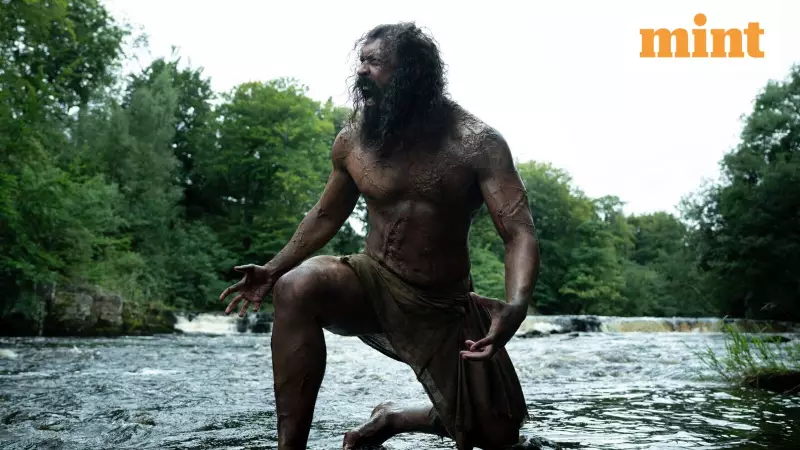
28 Years Later: The Bone Temple Review - A Brutal, Unflinching Sequel
Nia DaCosta directs 28 Years Later: The Bone Temple, a sequel that connects directly to Danny Boyle's 2025 film. This new installment escalates the franchise's visual and thematic intensity with explicit violence and sustained discomfort.
From Suggestion to Confrontation
Danny Boyle's original film found terror in suggestion and absence. Screams were heard but not seen. Horror registered in the faces of those left behind. Director Nia DaCosta brings that terror into full view. Violence becomes explicit. Gore turns confrontational. Discomfort remains sustained rather than fleeting.
A Lawless World
Alex Garland returns as writer for this continuation. The narrative picks up threads almost immediately from its predecessor. The world depicted is not merely broken but completely lawless. This forgotten, ungoverned corner of Britain has seen authority evaporate. Anything can happen here.

That sense of abandonment permeates the film's design. Secure hamlets try to survive unnoticed. Abandoned buildings stand empty. Ritualistic enclaves operate beyond any moral or social constraint.
Two Juxtaposed Forces
The film's 109 minutes revolve around two sharply contrasted characters. Dr Ian Kelson, played by Ralph Fiennes, represents one force. He is a withdrawn, compassionate figure haunted by loss. Kelson has devoted himself to constructing the Bone Temple. This vast ossuary memorializes those consumed by the Rage Virus.
These sequences rank among the film's most affecting moments. Careful art direction and cinematography render death with unsettling reverence. An unexpected, Duran Duran-heavy soundtrack accompanies Kelson's quiet routines. His tentative bond with an Alpha infected, whom he names Samson, introduces fragile humanity into this forbidding landscape.
The Grotesque Counterpart
At the opposite end stands Sir Lord Jimmy Crystal, portrayed by Jack O'Connell. This grotesque, Teletubbies-inspired, Satan-worshipping man-child survived the Rage Virus. Now he rules over a tiny cult of followers through noise, cruelty and murderous pageantry.
All his survivors receive new names - Jimmy Ink, Jimmy Snake, Jimmima. At the opening of 28 Years Later, a young Jimmy Crystal watches children's television. Moments later, he sees his father turn into an infected zombie who experiences brutal death.
Crystal embodies the film's vision of post-collapse leadership. It is childish, violent and nihilistic. O'Connell's performance remains deliberately excessive. This reinforces the franchise's theme that humanity itself often presents the greater threat.
Returning Characters and Technical Execution
Spike, played by Alfie Williams, returns but feels less central this time. Both the role and performance lack the emotional weight they carried previously. As the narrative grows more fragmented and extreme, Spike doesn't shape events. He simply reacts to them.
Technically, The Bone Temple proves striking. The film is graphic, disturbing and frequently exhausting. Yet it also shows ambition and careful construction. DaCosta builds on foundations laid by Boyle and Garland. She pushes the series into stranger, harsher territory.
Powerful Climax and Future Setup
The film reaches its apex in a powerful climactic sequence within the Bone Temple. This literal architecture of death hosts an exhilarating scene. Fiennes sheds Kelson's control and quiet demeanor to an Iron Maiden song.
Like its predecessor, the film ends by introducing a character. This clearly sets the stage for what follows. It underlines the film's role as a connecting chapter. The graphic violence and tone won't work for everyone. Yet The Bone Temple remains a purposeful sequel that pushes the franchise forward.

