28 Years Later: The Bone Temple Review: Visceral Horror With Narrative Shortcomings
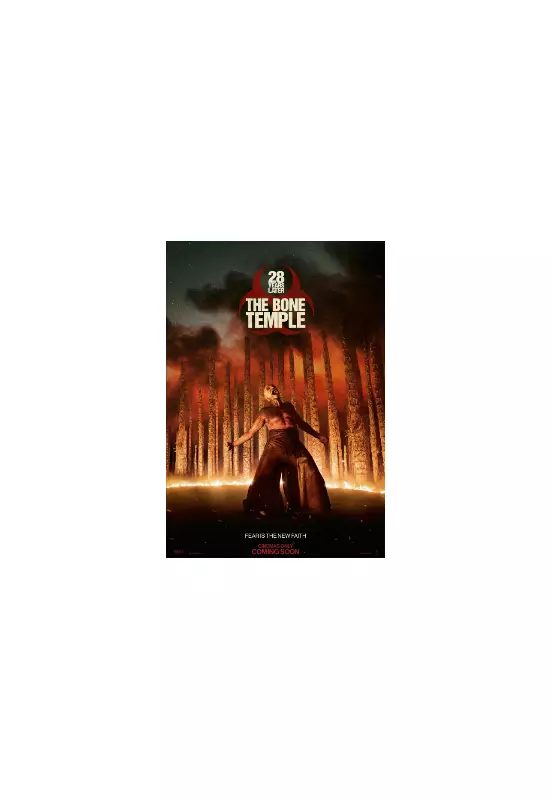
The latest chapter in the popular zombie franchise arrives with considerable anticipation. 28 Years Later: The Bone Temple continues the story but struggles to leave a lasting impact. Directed by Nia DaCosta, this film attempts to build upon the legacy established by Danny Boyle's original masterpiece.
A Familiar World With New Threats
Dr Ian Kelson, portrayed by Ralph Fiennes, remains determined to find a cure for the devastating Rage Virus. However, a more immediate danger emerges from an unexpected source. A disturbing cult led by a fanatic exploits vulnerable children to create an army called "Jimmys." This sinister group presents a fresh challenge in a world already overrun by infected monsters.
The film opens with a powerful sequence showing young Spike, played by Alfie Williams, being forcibly recruited into this cult. Set against the desolate backdrop of the Scottish Highlands, the movie paints a grim picture of a society where death has become the norm rather than the exception.

Technical Excellence Meets Narrative Weakness
On a technical level, the film demonstrates considerable skill. Sean Bobbitt's cinematography creates palpable tension throughout each scene. Hildur Guðnadóttir's atmospheric score adds layers of unease that linger long after the credits roll. These elements combine to make the viewing experience undeniably engaging for horror enthusiasts.
Director Nia DaCosta and writer Alex Garland deliberately amplify the franchise's signature horror elements. They employ extreme gore and relentless violence to maintain high tension. Several scenes push boundaries so far that viewers might question how they passed censorship requirements. These moments will undoubtedly satisfy fans seeking visceral thrills.
However, the narrative foundation supporting these shocking sequences feels insufficient. The writing fails to provide adequate emotional or thematic depth to justify such extreme content. The story ultimately revolves around a virus transforming ordinary people into monsters, yet the emotional connections remain underdeveloped.
Performances That Shine Through the Darkness
Ralph Fiennes delivers his typically polished performance as the morally driven doctor, though the role offers little new territory for the accomplished actor. Alfie Williams impresses as Spike, effectively balancing vulnerability with resilience in a character representing hope amidst despair.
Erin Kellyman provides strong support as Jimmy Ink, complementing Spike's journey with quiet assurance. The standout performance comes from Jack O'Connell as Sir Lord Jimmy Crystal, the cult's psychopathic leader. O'Connell embraces the chaotic nature of his character with frightening conviction, clearly enjoying the opportunity to portray such unhinged villainy.
Interestingly, the character reportedly draws inspiration from BBC journalist Jimmy Savile, adding an extra layer of discomfort to an already unsettling portrayal.
Missed Opportunities and Pacing Issues
Despite a relatively tight runtime, the film suffers from pacing problems. Several sections drag unnecessarily, diminishing the overall momentum. The script misses multiple chances to incorporate dark humor that could have provided welcome relief from the relentless tension.
Underwhelming dialogue and uneven writing contribute to these shortcomings. While the technical aspects create an appropriately grim atmosphere, the storytelling never quite matches their effectiveness.
Final Verdict: A Competent But Unremarkable Entry
28 Years Later: The Bone Temple earns its place within the franchise through technical proficiency and committed performances. However, it fails to strengthen the overall series in any meaningful way. Watching this installment as a standalone experience proves challenging, as it relies heavily on knowledge of previous films.
Ironically, revisiting earlier entries only highlights their superior quality. This fourth chapter delivers the visceral horror fans expect but lacks the narrative strength to become truly memorable. It remains watchable for dedicated followers of the series but unlikely to attract new converts to the franchise.

The film releases on January 16, 2026, with a runtime of 1 hour and 49 minutes. It carries a 2.5 rating from both critics and users, reflecting its mixed reception among audiences and reviewers alike.