

28 Years Later: The Bone Temple Movie Review
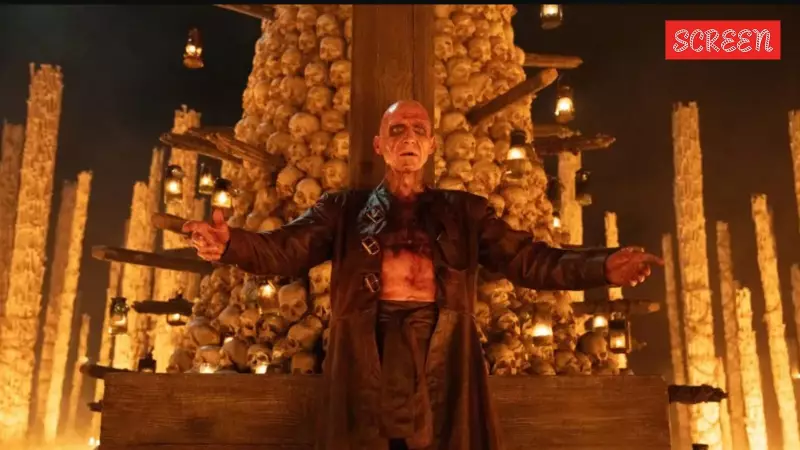
Ralph Fiennes emerges as the undeniable heart of 28 Years Later: The Bone Temple. The film reaches its peak intensity whenever Fiennes appears on screen as Dr Ian Kelson. This sequel to last year's visually stunning 28 Years Later adopts a more restrained approach, yet it successfully advances the story with just the right amount of modesty.
A Shift in Direction and Tone
Director Danny Boyle steps back for this installment, passing the reins to Nia DaCosta. The core behind-the-scenes team remains largely unchanged. The film picks up with Spike, the young boy who narrowly survived a zombie attack in the previous movie. Now frightened and isolated, Spike finds himself drawn into a dangerous gang led by the charismatic Sir Jimmy Crystal.
Sir Jimmy, a character inspired by Jimmy Saville, flaunts extravagant jewelry including a gold tooth. His followers all adopt variations of his name, creating a cult-like atmosphere. Spike becomes the youngest member, known simply as Jimmy.

Blood, Gore, and Satanic Rituals
The Bone Temple amplifies the horror elements significantly. Viewers encounter much more blood, considerable gore, and several Satanic rituals. Most of these disturbing sequences revolve around Sir Jimmy, portrayed by Jack O'Connell. O'Connell effectively captures the character's delusional state and incoherent ramblings.
However, these extended dialogue-heavy scenes sometimes overstay their welcome. The film's true strength lies not in conversation but in visceral, wordless moments of terror and survival.
Fiennes' Commanding Presence
Ralph Fiennes delivers a masterclass in acting as Dr Ian Kelson. His character has survived the zombie apocalypse for 28 years through intelligence, medical knowledge, and ample supplies of morphine and iodine. Fiennes effortlessly transitions between different emotional states.
Watch him carefully navigate his relationship with Samson, an infected alpha male he has befriended. Then observe his tense encounters with Sir Jimmy's madness. Fiennes' performance during a scene set to The Iron Maiden's Devil Has A Number proves particularly breathtaking. He embodies a character who could be either hero or villain, keeping audiences guessing throughout.
Supporting Cast and Character Development
While Alfie Williams' character Spike has less screen time than in the original film, Erin Kellyman steps up impressively. She portrays a wounded misfit with equal measures of gentleness and ferocity. The ensemble cast works well together, creating believable dynamics within this post-apocalyptic world.
A Satisfying Conclusion and Hopeful Note
The Bone Temple concludes with a genuinely pleasing surprise for franchise fans. The ending strikes an optimistic tone reminiscent of the hope that followed World War II. It suggests humanity might overcome destructive ideologies like populism, fascism, and extreme nationalism.
Of course, as with any series, future installments could challenge this optimism. The film leaves room for further exploration while providing satisfying closure to several character arcs.
Final Verdict
28 Years Later: The Bone Temple may not match the ambitious scope of its predecessor, but it serves as an effective bridge to potential future sequels. Ralph Fiennes' powerful performance anchors the film, while Nia DaCosta demonstrates capable direction. The increased horror elements will satisfy genre fans, though some dialogue scenes feel overly prolonged.
The film earns a solid 3 out of 5 stars. It delivers exactly what sequel enthusiasts expect: forward momentum in the storyline, character development, and enough surprises to keep the franchise interesting.
28 Years Later: The Bone Temple features Ralph Fiennes, Jack O'Connell, Alfie Williams, Erin Kellyman, and Chi Lewis-Parry. Nia DaCosta directs this installment in the popular zombie series.

