

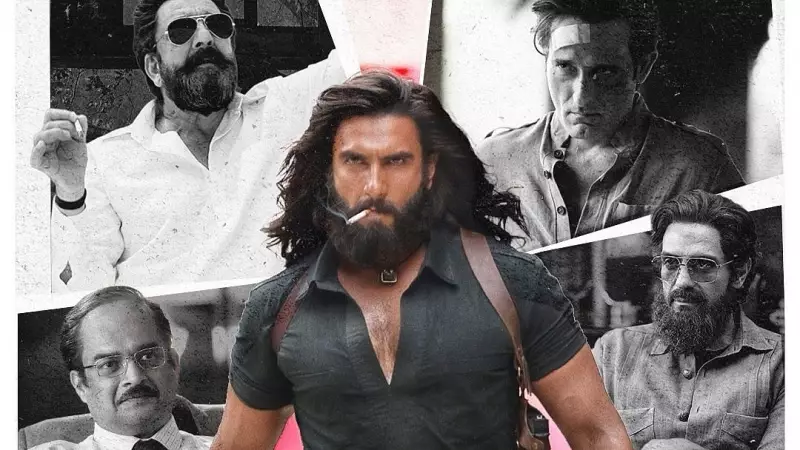
Harish S Wankhede presents a compelling perspective on the blockbuster film Dhurandhar. He challenges the common narrative that attributes its massive success solely to pro-establishment political positions. Wankhede insists this view undervalues the movie's true strengths.
The Heart of Dhurandhar's Appeal
According to Wankhede, Dhurandhar's triumph lies in its impressive artistic craft. The film showcases remarkable imagination and technical skill. These elements captivate audiences far beyond any political messaging.
Cinematic Craft Over Politics
Wankhede emphasizes the film's visual storytelling and narrative depth. He points to Dhurandhar's innovative direction and compelling performances. The movie's emotional resonance connects with viewers on a human level.

This analysis moves beyond surface-level political readings. It explores how Dhurandhar creates a memorable cinematic experience. The film's artistry stands independent of its political context.
Reevaluating Success Factors
Wankhede's argument encourages a broader appreciation of Indian cinema. He suggests that reducing films to political statements limits our understanding. Dhurandhar demonstrates how artistic merit can drive commercial success.
The film's mammoth box office performance reflects its universal appeal. Audiences respond to quality storytelling and production values. These factors often outweigh specific political alignments.
Implications for Film Criticism
This perspective challenges critics to look deeper into cinematic achievements. It calls for recognizing the hard work behind successful films. Dhurandhar serves as a case study in balancing art and politics.
Wankhede's analysis ultimately celebrates Indian filmmaking talent. It highlights how movies can transcend their immediate political moment. Dhurandhar's legacy may well be its contribution to cinematic art.

