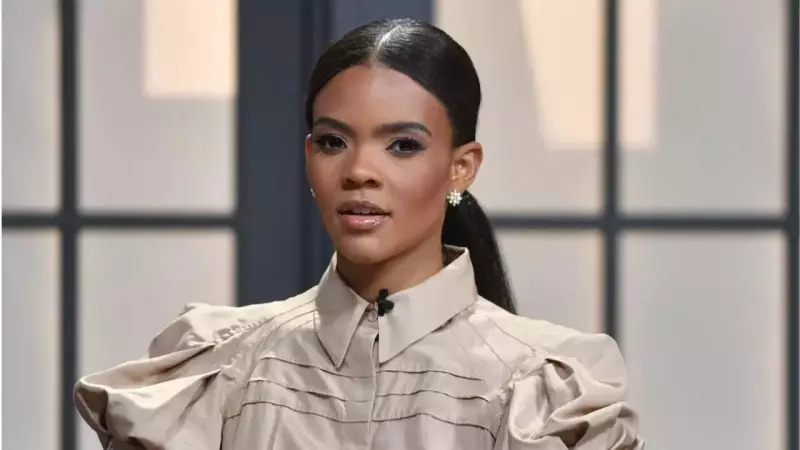
Public debates about intellectual property in the music industry often remain abstract. But a recent, deeply personal revelation from conservative commentator Candace Owens has thrust the issue into the spotlight, framing it as a matter of creative control, financial burden, and moral conflict.
The $40,000 Podcast Intro
What started as a simple need for a podcast theme song has exploded into a broader critique of the entertainment business. Owens detailed her struggle to secure a brief audio sample for her new podcast. She wanted to use a snippet of music by the artist formerly known as Kanye West, now known as Ye.
Owens explained that she contacted Ye directly, asking him to re-record his old masters so she could sample the new version. She cited Taylor Swift's highly publicized re-recording project as a genius model. However, Ye has not yet undertaken this massive task. This left Owens facing a stark reality: to use just seven seconds of Ye's voice from the original recording, she would have to pay Universal Music Group a staggering $40,000 in licensing fees.

A Moral and Legal Quagmire
Owens did not mince words in expressing her moral outrage. She framed the payment as financially supporting the very "satanic pedophiles" within the industry that she claims tried to ruin Ye's life. Her core argument hinges on a perceived hypocrisy.
"I honest to God just do not understand how it’s even legal," Owens wrote, "for a group of people to be like 'oh, this person cannot participate in society and we want this person destroyed... but also…we will continue to make money off his/her voice.'"
She took the analogy further, suggesting a need for legal reform. Owens proposed that when an industry orchestrates a public downfall of an artist, it should be forced to release all rights to that person's likeness and work. She provocatively referenced an addendum to the 13th Amendment, comparing binding contracts after such ostracization to a form of modern indentured servitude.
Who Profits When an Artist is Cancelled?
Beyond the fiery rhetoric, Owens's post reignites essential questions about creative ownership in the digital age. It forces a conversation about who truly benefits from an artist's work long after they have fallen out of favor with gatekeepers. The system, as Owens describes it, allows corporations to profit from voices they simultaneously attempt to silence.
This incident highlights the ongoing tension between artists, their legacy recordings (masters), and the large corporations that often own them. While Owens's situation is unique, it echoes the frustrations of many artists who feel financially and creatively trapped by old contracts. The debate she sparked asks a simple but powerful question: when culture profits, who ultimately pays the price?