Deepikaa Sreenivasan: A Trailblazer in the Mridangam Arena
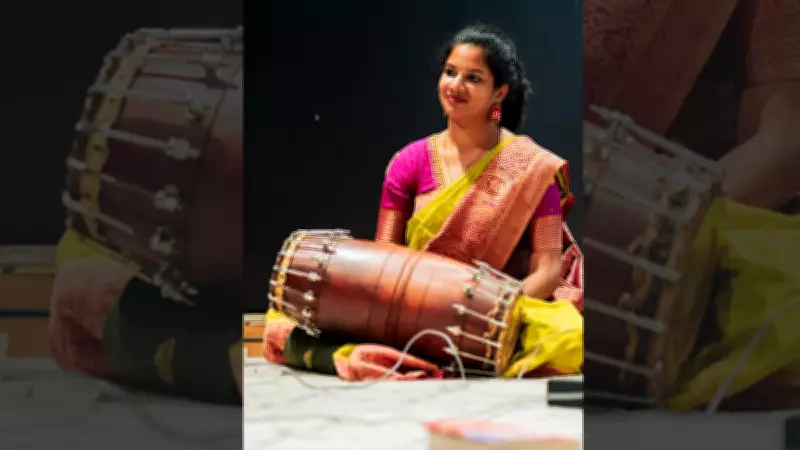
In the rich tapestry of Carnatic music, the mridangam has long been a bastion of male artistry, with its deep, resonant tones traditionally wielded by men. Enter Deepikaa Sreenivasan, a young musician who is not only mastering this percussive instrument but also challenging entrenched gender norms. Her journey into this male-dominated domain is a testament to perseverance and passion, sparking conversations about inclusivity in Indian classical traditions.
The Historical Context of Gender in Mridangam
For centuries, the mridangam—a double-headed drum central to Carnatic performances—has been almost exclusively played by men. This tradition stems from cultural and societal barriers that limited women's roles in public musical spheres. While women have excelled as vocalists and instrumentalists in other areas, the mridangam remained a formidable frontier. Deepikaa's entry into this space is not just a personal achievement but a symbolic breakthrough, reflecting broader shifts in attitudes toward gender equality in the arts.
Deepikaa's Musical Journey and Training
Deepikaa Sreenivasan's path to the mridangam began with a deep-seated love for rhythm and melody, nurtured from a young age. Under the guidance of esteemed gurus, she honed her skills, dedicating countless hours to perfecting the intricate techniques required for this complex instrument. Her training involved mastering traditional compositions and adapting to the physical demands of the mridangam, which requires significant strength and dexterity. Despite facing skepticism and occasional resistance, her talent and dedication have earned her recognition in Carnatic circles, with performances that showcase both technical prowess and emotional depth.

Impact on the Carnatic Music Community
Deepikaa's presence in the mridangam world is catalyzing change, inspiring other women to explore percussive instruments. Her success highlights the evolving landscape of Carnatic music, where gender barriers are gradually being dismantled. This shift is supported by:
- Increased visibility for female mridangam artists in concerts and recordings.
- Educational initiatives that encourage girls to take up traditional instruments.
- Discussions on inclusivity within music academies and cultural forums.
As more women like Deepikaa step forward, the mridangam is being redefined as an instrument of universal expression, transcending gender stereotypes.
Challenges and Future Prospects
Despite her achievements, Deepikaa Sreenivasan navigates ongoing challenges, from subtle biases in the industry to the physical rigors of the instrument. However, her resilience points to a promising future where diversity enriches Carnatic music. Experts predict that her trailblazing efforts could lead to:
- Greater acceptance of women in all facets of classical music performance.
- Innovative collaborations that blend traditional and contemporary styles.
- Policy changes in music institutions to promote gender balance.
Deepikaa's story is more than a personal triumph; it's a beacon for cultural evolution, urging the arts to embrace talent irrespective of gender.