The 68th Annual Grammy Awards: A Night of Historic Firsts and Political Statements
The 68th Annual Grammy Awards, held at the Crypto.com Arena in Los Angeles on February 1, 2026 (February 2 IST), proved to be an unforgettable evening that masterfully blended musical celebration with cultural commentary. Dubbed Music's Biggest Night, the ceremony delivered on its promise of spectacle, surprise, and significant milestones that will be etched in the annals of music history for years to come.
Historic Wins That Redefined Grammy Legacy
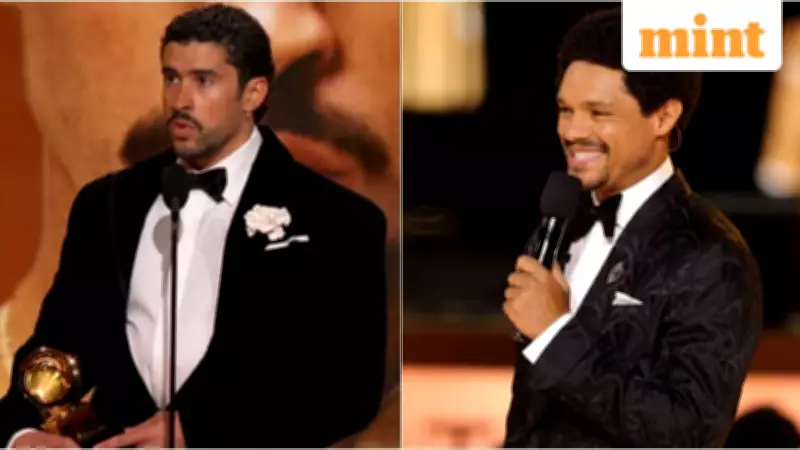
From the very beginning, the awards ceremony was marked by groundbreaking achievements that resonated across the global music community. The most monumental moment arrived when Bad Bunny's album Debí Tirar Más Fotos clinched the coveted Album of the Year award. This victory marked the first time ever that a Spanish-language record has secured the top prize at the Grammys, a watershed moment that had fans and artists alike cheering from Puerto Rico to Mumbai.
Kendrick Lamar further solidified his legendary status by winning Record of the Year alongside SZA, simultaneously becoming the most-awarded rapper in Grammy history. Meanwhile, Billie Eilish captured the Song of the Year honor, and Olivia Dean was rightfully crowned Best New Artist, highlighting the diverse talent pool celebrated during the evening.

Electrifying Performances and Heartfelt Tributes
The Grammy stage came alive with a series of powerhouse performances that spanned genres and generations. Music icons including Lady Gaga, Tyler, the Creator, Justin Bieber, and Sabrina Carpenter delivered high-energy acts that combined visual artistry with musical prowess. A particularly memorable collaboration saw Rosé team up with Bruno Mars for a pop-punk-inspired rendition of APT, while Justin Bieber surprised the audience with an intimate, stripped-down performance that showcased his vocal depth.
The evening also paid moving tributes to late music legends such as Ozzy Osbourne and D'Angelo, with artists like Post Malone, Lauryn Hill, and Slash lending their talents to honor these influential figures. These segments added emotional weight to an already spectacular show.
Trevor Noah's Final Bow: Humor Meets Cultural Commentary
What truly set the 2026 Grammys apart was the masterful hosting by Trevor Noah, who marked his sixth and final appearance as the ceremony's emcee. Noah skillfully blended sharp wit, cultural insight, and timely commentary throughout the broadcast, creating a tone that was both entertaining and thought-provoking.
His opening monologue immediately captured attention with bold jokes and quick wit. Noah humorously addressed the absence of stars like Nicki Minaj, quipping that she was still at the White House with Donald Trump, a line that drew roaring laughter from the audience. He also referenced political moments with playful barbs, including a joke about Trump needing a new island now that Epstein's was no longer available, demonstrating his signature blend of comedy and social observation.
Throughout the night, Noah kept viewers engaged with both scripted material and spontaneous interactions. One particularly memorable exchange occurred when he jokingly tried to prod Bad Bunny into performing, only for the artist to remind him that Puerto Rico is part of the United States—a humorous moment wrapped in cultural awareness. Noah also handled unexpected technical issues with comic timing that felt straight out of a sitcom, proving his versatility as a host.
Political Undercurrents and Social Advocacy
Beyond the laughter and musical performances, the 2026 Grammys served as a platform for social advocacy and political expression. Several winners used their acceptance speeches to address broader societal issues. Bad Bunny, for instance, vocalized political themes during his historic win, while other artists echoed sentiments about inclusion, justice, and immigration reform.

This emphasis on social issues, however, sparked divided reactions among viewers. Many performers, including Bad Bunny and Billie Eilish, used their stage time to speak out against U.S. Immigration and Customs Enforcement (ICE), delivering pointed remarks about immigration policy that resonated strongly with supporters of reform but drew criticism from others who felt the ceremony had become overly political.
The Controversial Flip Side: Criticism and Backlash
While the Grammys celebrated historic musical achievements, a noticeable wave of criticism emerged from certain segments of the audience and commentators. Some viewers took to social media to express frustration with what they perceived as an excessive focus on politics, dismissing anti-ICE speeches and advocacy as distractions from the music itself. Critics labeled the event as woke or unwatchable, arguing that the emphasis on protest overshadowed the celebration of artistic excellence.
Trevor Noah's political satire also faced backlash from some quarters, with commentators arguing that his jokes and commentary detracted from the musical celebration. These voices expressed frustration with the tone of the broadcast, claiming that political messaging had been prioritized over pure entertainment.
A Legacy of Unpredictable Energy and Memorable Moments
Despite the controversies, the 2026 Grammys will be remembered as a ceremony that balanced history-making musical moments with the unpredictable energy of live television. From genre-spanning performances and surprise on-stage exchanges to heartfelt tributes and Trevor Noah's unforgettable closing chapter as host, the event kept fans talking long after the trophies were handed out.
The evening ultimately showcased how award ceremonies can serve as both a celebration of artistic achievement and a reflection of the cultural and political currents shaping our world. Whether through historic wins, electrifying performances, or thought-provoking commentary, the 68th Annual Grammy Awards proved that music and meaning can coexist on the same stage, creating a night that was truly insane in all the best ways.