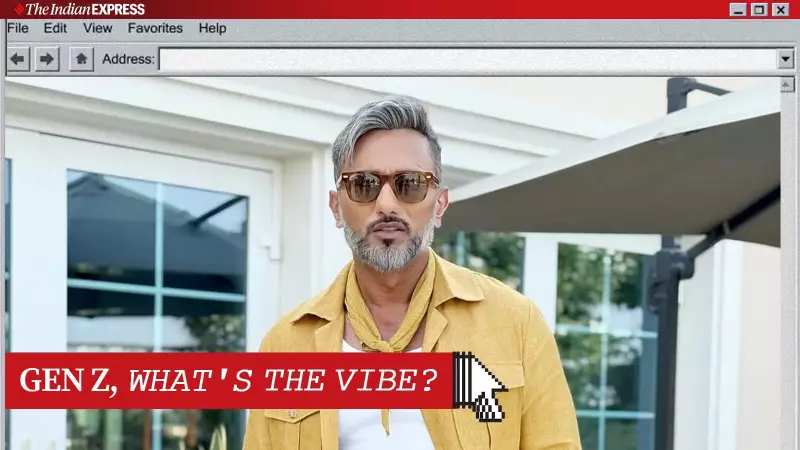
Honey Singh's Controversial Remarks at Delhi Concert Draw Sharp Criticism
Popular singer and music producer Honey Singh recently faced significant backlash following comments he made during a concert in Delhi. A video clip from the event went viral on social media, showing Singh discussing sexual activity in a car during the city's cold winter weather. He specifically remarked, "It's so cold in Delhi. It's fun to have sex in a car in this weather. So have sex in the car in Delhi's cold, but use condoms, guys. Please play safe."
The crude language used in his statement sparked widespread outrage among audiences and online communities. This prompted Honey Singh to post an apology video on his Instagram account, where he attempted to justify his approach.
Honey Singh's Defense and Subsequent Apology
In his apology video, Honey Singh explained that before the concert, he had lunch with several gynaecologists and sexologists. These medical professionals reportedly informed him that the current generation faces challenges with sexually transmitted diseases due to unsafe sexual practices.

"When I went to the show and saw the Gen Z audience, I thought I would give them a message in their language, to not have unprotected sex and to use condoms," Singh stated in Hindi. He added that he believed speaking in crude language, similar to what appears in OTT content and films that Gen Z frequently watches, would help them understand the message better.
Honey Singh has previously been open about his personal struggles with substance abuse and recovery. Last year, he revealed that drug use severely impacted his health, requiring nearly eight years for his body to fully recover.
Gen Z and Experts Reject the Vulgar Language Approach
The fundamental problem with Honey Singh's defense lies in its flawed assumption that Gen Z only responds to crude, sensational language. As a member of this generation, I find this perspective both patronizing and incorrect. We do not require shock value to comprehend serious issues like sexual health. Instead, we need respectful, honest conversations that acknowledge our capacity for understanding.
Medical and mental health professionals who regularly work with Gen Z individuals strongly disagree with Singh's approach. Aayushi Chauhan, a licensed psychologist at Apollo Telehealth, explains that while Gen Z communicates differently through digital platforms, this does not indicate a preference for vulgarity. "Slang, irreverence, and humor have always been part of youth culture," Chauhan notes. "What has changed is visibility. Gen Z communicates in digital, public spaces where algorithms naturally amplify bold and emotionally charged content."
Healthcare Professionals Emphasize Respectful Communication
Dr. Sanjay Prakash J, a consultant urologist and andrologist at AINU Andrology in Chennai, is unequivocal in his assessment. "There is no evidence that crude or exaggerated language improves understanding of sexual health," he states. "What consistently works is clear, factual, and respectful communication. Young people today are highly exposed to sensational content; exaggeration does not educate them, it fatigues them."
Dr. Prakash emphasizes that sexual health should not be treated as entertainment. "It is prevention, safety, and responsibility," he asserts. "Public health messaging must build trust, not chase attention."
Sexologist Dr. Talat Fatema, who works extensively with young patients, confirms this perspective from her clinical experience. "Gen Z is generally open to talking about sex," she explains. "They want honest, clear, and open conversations. What they resist is judgment, moralizing, or being talked down to. When the information is factual and non-shaming, they engage well and ask thoughtful questions."
The Psychological Impact of Stereotyping and Vulgar Messaging
Psychologist Kanak Kejariwal, founder of Therascreen, warns about the normalization effect of frequent exposure to vulgar language. "Frequent exposure to and casual use of derogatory or vulgar language eventually normalizes it, making one less sensitive to its impact and meaning," she cautions. "Language is not neutral; it shapes our perceptions of ourselves and others."

This desensitization can shift the focus from education to entertainment, according to Dr. Talat. "When sex education becomes entertainment, the focus shifts from informed decision-making to performance," she observes. This approach can trivialize risk, blur ethical boundaries, and oversimplify complex topics like consent, contraception, or emotional readiness.
The impact on crucial topics such as consent is particularly concerning. Dr. Prakash warns that crude language "makes serious issues sound casual and reduces sensitivity to coercion, pressure, and harm." He adds, "For young people, this creates confusion about boundaries and mutual agreement."
Effective Approaches to Sexual Health Communication
Dr. Gaana Sreenivas, an obstetrician and gynaecologist at Rainbow Hospital, emphasizes that "young patients respond best when conversations are respectful, non-judgmental, and medically accurate." The goal should be creating safe spaces where individuals feel comfortable discussing sensitive issues without feeling sensationalized or patronized.
Chauhan offers practical guidance for communicating with Gen Z. "Gen Z disengages quickly when spoken down to, dismissed as 'too sensitive,' or met with exaggerated moral panic," she explains. "But when an adult says, 'Help me understand your perspective,' the response shifts from defensiveness to dialogue."
The medical consensus remains clear. Dr. Prakash advises public figures to "stick to facts, clarity, and respect." He recommends using simple language without shock or vulgarity, while centering consent, safety, and well-being in all communications.
Conclusion: Respect Over Shock Value
Honey Singh's apology acknowledged that humans make mistakes, but his initial defense revealed a problematic assumption about Gen Z's communication preferences. This perspective creates barriers to effective sexual health education rather than supporting it.
Gen Z does not need celebrities to shock us into caring about our health. We need them to respect us enough to speak clearly, honestly, and responsibly. This approach represents the bare minimum for meaningful dialogue about important health matters. The generation that consumes diverse media and engages with complex digital content deserves conversations that match our intelligence and emotional maturity, not assumptions that reduce us to needing vulgarity for comprehension.