A long-running legal dispute over the digital rights to legendary composer Ilaiyaraaja's iconic songs reached the Madras High Court in Chennai again today. The case, which has its origins in a 2010 lawsuit, centers on who holds the authority to license these songs for use on platforms like YouTube and social media.
The Core of the Copyright Dispute
The legal battle was initiated by Music Master, a Chennai-based music company. The firm filed a petition claiming ownership of the audio rights to more than 100 films featuring Ilaiyaraaja's music. This extensive list includes popular titles such as 'Pandiyan', 'Guna', and 'Thevar Magan'.
Music Master argued that these songs were licensed to a label managed by the composer's wife, Jeeva. They further contended that various digital platforms were using the tracks without obtaining the necessary permissions. Their petition sought a court order to block this alleged unauthorized usage.

Ilaiyaraaja's Testimony on 1997 Contracts
In a significant earlier deposition, Ilaiyaraaja himself appeared in court to provide clarity on the foundational agreements. According to reports, the maestro testified about contracts signed in 1997.
He explained that these decades-old agreements only granted rights for the release of songs in physical audio formats like cassettes and CDs. Crucially, he stated that the contracts contained no provisions for digital distribution on platforms such as YouTube or social media, which did not exist at that time.
Ilaiyaraaja firmly clarified that he never transferred the ownership of his musical compositions. He asserted that he only provided specific rights to production houses for the use of the songs within their respective films.
Veteran Director Backs the Composer's Claim
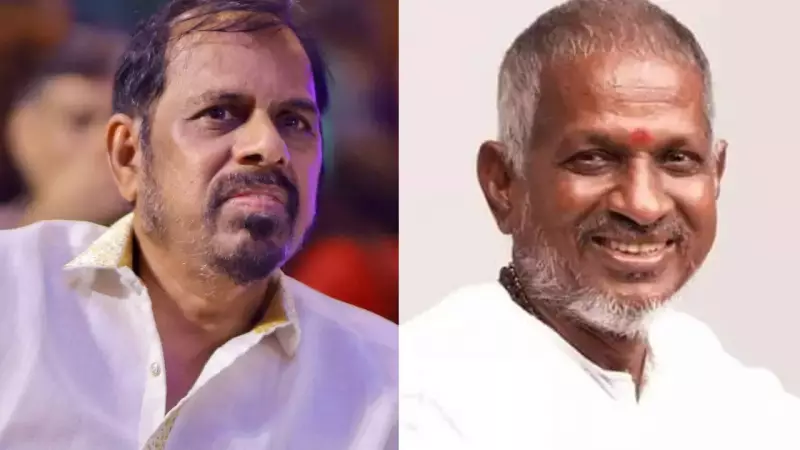
Adding weight to Ilaiyaraaja's position, noted director R.K. Selvamani testified in court today in support of the composer. Selvamani's statement was unequivocal.
"Ilaiyaraaja has the exclusive rights to his songs," Selvamani told the court. "He has never signed over his songs to any film production. It is the producers who get the rights to use them in their films and nothing more."
This testimony directly supports the argument that any use of these compositions on online platforms requires explicit permission from the rightful owner, and that unauthorized use constitutes copyright infringement.
Adjournment and Wider Implications
After hearing Selvamani's statement, the court has adjourned the proceedings. The next hearing is scheduled for January 20.
The combined testimony of Ilaiyaraaja and R.K. Selvamani is seen as a strong defense of the composer's intellectual property rights. Legal observers believe this case could set a vital precedent for music copyright in the digital era, especially for the vast library of Tamil cinema music.
As more classic films and songs are monetized on streaming services and social media, the outcome of this case will have far-reaching consequences for artists, production houses, and music labels across the industry.