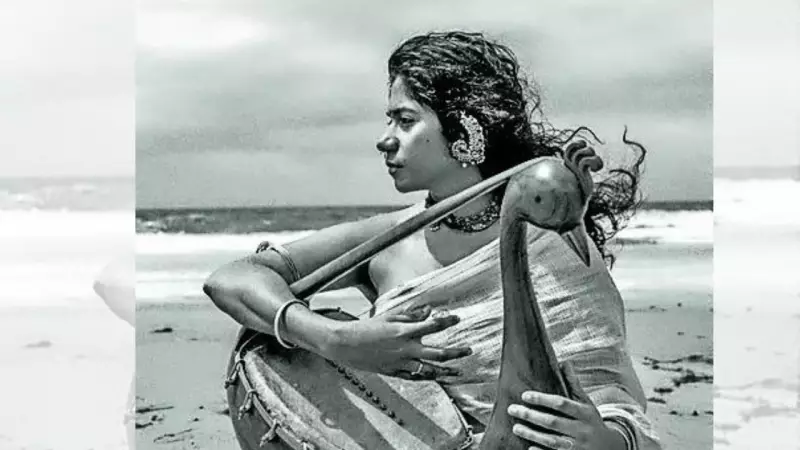
In a remarkable cultural crossover, a 13th-century Marathi prayer advocating for universal brotherhood has found an unexpected global platform: the annual music playlist of former US President Barack Obama. The prayer, 'Pasayadan', composed by saint Dnyaneshwar, appears in a contemplative modern version by vocalist Ganavya, nestled between international pop, hip-hop, and Afrobeats in Obama's 2025 recommendations.
A Pilgrimage Song's Journey to Global Recognition
Traditionally, 'Pasayadan' is sung at the conclusion of the wari, the annual Varkari pilgrimage to Pandharpur in Maharashtra. Unlike many devotional songs focused on personal salvation, this abhang (a form of devotional poetry) casts a wide net, praying for the well-being of all living beings. Its inclusion in Obama's list has propelled Ganavya's rendition, from her 2025 album 'Nilam', into the global consciousness, with its YouTube music video gaining widespread views.
Ganavya, a New York-born, Tamil Nadu-raised artist, co-produced 'Nilam' with Nils Frahm at Berlin's Funkhaus studio. Her interpretation of 'Pasayadan' blends jazz, ambient textures, and South Asian classical traditions. In press statements, she described the piece as an "abhang from the pilgrimage tradition... where the young saint prays for the sun to rise in all cold hearts." She frames the album's central theme as 'doing what we need to do to keep carrying on', a meditation on wisdom and compassion.

The Enduring Philosophy of 'Pasayadan'
Marathi literary experts highlight the profound moral vision of the prayer. Its early lines plead for cruelty to dissolve and wisdom to grow: 'Je khalanchi vyankati sando, taya satkarmi rati vadho'. Perhaps its most enduring line expresses a wish for all beings to be bound in friendship: 'Bhootan paraspere pado, maitra jivanche'. Another verse calls for the darkness of suffering and ignorance to be dispelled, so the world may be illuminated by ethical light.
According to Marathi scholar Aparna Bedekar, 'Pasayadan' represents the philosophical pinnacle of the Dnyaneshwari, the foundational text of the Bhagwat tradition. "Pasayadan has emerged as its supreme prayer," she says, noting that through this prayer, the Varkari pilgrimage embraced people across 18 communities, dissolving barriers of caste, sect, and social hierarchy. Figures like Gora Kumbhar (a potter), Sena Nhavi (a barber), and even Kanho Patra (a courtesan) found spiritual upliftment within its fold.
Written in the spoken Marathi of the people, abhangs traveled through memory, footfall, and voice. Author Satish Joglekar describes 'Pasayadan' as a prayer that transcends 'dharma, creed, and time', surpassing even the Upanishadic idea of 'Vasudhaiva Kutumbakam' (the world is one family) because it urges individuals to actively become a refuge for others.
Relevance in the Modern World
This centuries-old message finds deep resonance today. Prasad Kambli, director of the acclaimed play 'Sangeet Dev Bababhali', states, "The world is going through war and strife, so it is deeply relevant." He adds that 'Pasayadan' is about universal brotherhood, which for Dnyaneshwar was the crux of the Bhagavad Gita. "What was articulated eight centuries ago is being heard again today in a different form."
The prayer entered modern public consciousness earlier through a composition by Hridaynath Mangeshkar. Now, Ganavya's version, endorsed by a former US president, has thrust it into a new, global spotlight. As per the Siddha Yoga Path website, 'Pasayadan' is offered as a gift of divine grace meant for the 'upliftment and benefit of all people', perfectly reflecting Sant Dnyaneshwar's wish for compassion and joy to reach every human life.
Cultural experts conclude that the abhang (meaning 'unbroken') lies at the heart of the Varkari tradition, which rejected ritual hierarchy and Sanskrit exclusivity in favor of lived ethics and communal devotion—a message that continues to inspire across oceans and eras.