A highly anticipated concert featuring one of Bangladesh's most legendary rock bands was thrown into chaos and ultimately cancelled on Friday night after a mob launched a violent attack on the venue. The incident, which saw bricks hurled and religious slogans chanted, has sent shockwaves through the country's cultural scene and raised urgent questions about security and freedom of expression.
Chaos Erupts at Dhaka's International Convention City
The concert, headlined by the iconic Bangladeshi rock band Miles, was scheduled to take place at the International Convention City Bashundhara (ICCB) in the capital, Dhaka. The event was part of a larger program organized by the Bishwa Sahitya Kendra (World Literature Centre), a prominent cultural organization. Excitement had been building for the performance, which promised a nostalgic journey through the band's decades-long career.
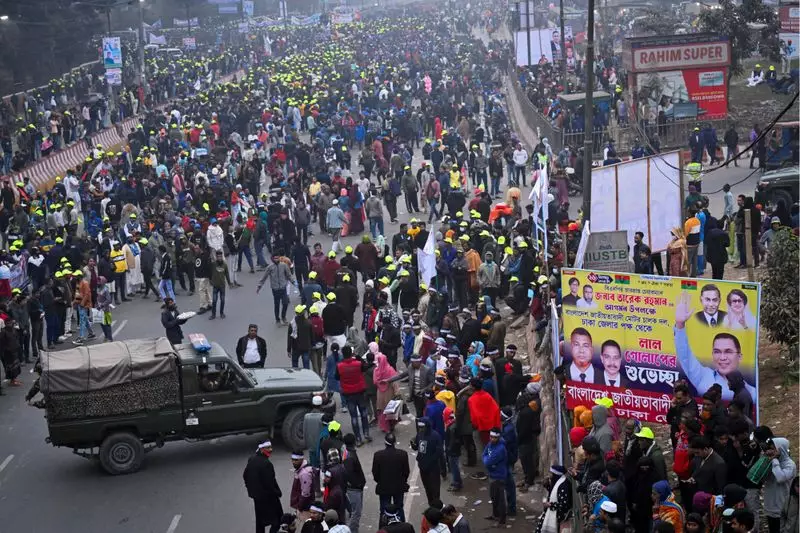
However, the atmosphere turned tense and dangerous as the concert was about to begin. According to reports and eyewitness accounts, a group of people gathered outside the ICCB and began chanting religious slogans. The protest quickly escalated into violence when members of the mob started hurling bricks at the convention centre. The sudden attack created a panic, jeopardizing the safety of the artists, crew, and the audience who had gathered for the event.

Last-Minute Cancellation and Official Response
Faced with the escalating threat and clear risk to public safety, the organizers were left with no choice but to call off the concert at the last minute. The decision was made to prevent any potential injury or a larger-scale confrontation. The abrupt cancellation left many fans disappointed and bewildered at the venue.
In the aftermath, Dhaka Metropolitan Police (DMP) Commissioner Habibur Rahman addressed the media. He confirmed that the concert was cancelled following the mob's aggressive actions. Commissioner Rahman stated that the police had to intervene and request the organizers to stop the event to ensure everyone's safety. He emphasized that the primary duty of the police is to protect lives and property, and the volatile situation necessitated the cancellation.
The police chief also provided details about the group behind the protest. He identified them as belonging to the "Songskriti Oikya Parishad" (Cultural Unity Council). This group had reportedly been protesting against the concert, leading to the violent culmination on Friday night.
Broader Implications for Cultural Freedom
This incident is not an isolated one in Bangladesh's recent history. It highlights the ongoing tensions between conservative groups and the country's vibrant, secular cultural sphere. Concerts, art exhibitions, and literary events have occasionally faced opposition and threats, creating a climate of apprehension for artists and organizers.
The attack on the Miles concert has sparked immediate concern and debate. Cultural activists and fans of the band are questioning the ability of authorities to protect lawful cultural gatherings from mob pressure. Miles, formed in the late 1970s, is considered a pioneering force in Bangladeshi rock music and enjoys a massive, cross-generational fanbase. The cancellation of their show under threat of violence is seen by many as a direct attack on the nation's contemporary cultural heritage.
The key facts of the event are clear: the date was Friday, the location was the ICCB in Dhaka, the band was Miles, the organizers were Bishwa Sahitya Kendra, the protesting group was identified as Songskriti Oikya Parishad, and the police authority involved was the DMP under Commissioner Habibur Rahman. The immediate consequence was the cancellation of the concert to avert violence.
Looking forward, this event forces a critical examination of several issues. It underscores the need for robust security planning for public cultural events. More fundamentally, it reignites the conversation about the space for artistic expression in Bangladesh and the mechanisms to safeguard it from intimidation and force. The hope among the cultural community is that this incident will lead to stronger protections, ensuring that music and art can continue to thrive without fear.