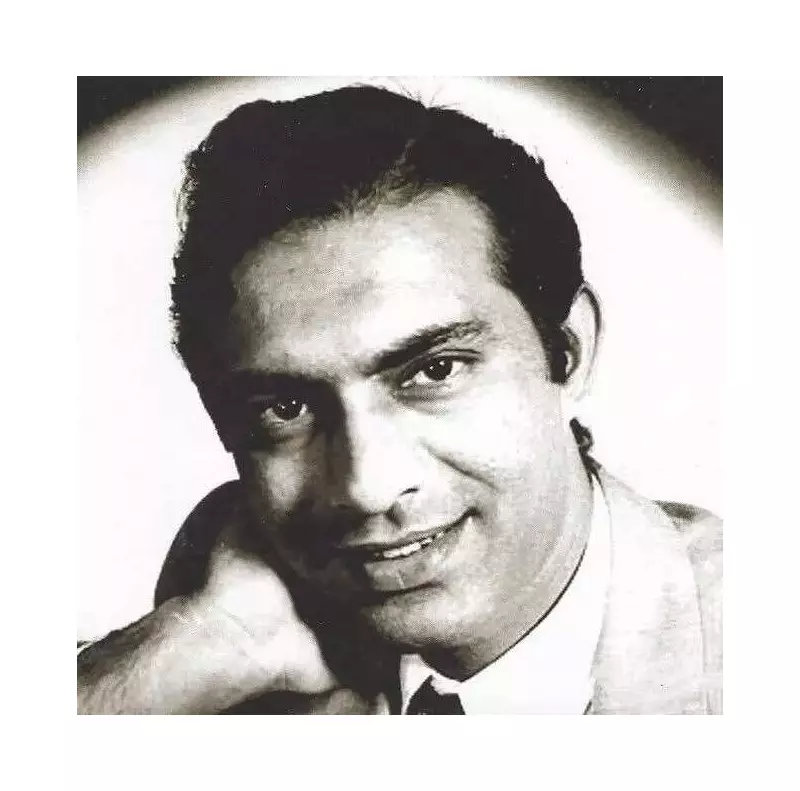
In the year 1939, as the world stood at a pivotal historical crossroads, a young voice filled with promise made its first broadcast on All India Radio in Lucknow. This marked the humble beginning of Talat Mahmood, a student from the prestigious Marris College of Music, who would soon be crowned the undisputed King of Ghazal.
The Formative Years at Marris College
Long before it was known as Bhatkhande Sanskriti Vishwavidyalaya, the institution was called Marris College of Music. It was within these hallowed corridors that a young Talat Mahmood honed his craft. His training in Indian classical music was guided by the esteemed guru, Pandit S.C.R. Bhat, during the late 1930s. This rigorous foundation in raag and taal became the bedrock upon which his iconic style was built.
The college environment was instrumental in shaping his artistic sensibility. Every note he practiced echoed through the campus, a testament to his deep dedication. Mastering each raag was not merely an academic exercise but a step closer to his musical destiny.

The Historic Debut on All India Radio
The pivotal moment arrived in 1939. At the tender age of 16, Talat Mahmood stepped before the microphone at the All India Radio station in Lucknow. His first performance featured the poetic works of legendary ghazal masters like Daag Dehalvi, Mir Taqi Mir, and Jigar Moradabadi.
His voice, described by many as smooth and silken, possessed an immediate, captivating quality. It had the gentle power to touch the deepest chords of human emotion, leaving listeners entranced and longing for more. This radio debut was the launchpad for a career that would redefine the ghazal genre for generations.
The Rise of the Ghazal Monarch
Talat Mahmood's journey from that Lucknow radio studio to national fame is a story of pure passion and perseverance. The classical tapestry he absorbed at college seamlessly wove into his ghazal renditions, giving them a depth and authenticity that set him apart.
He did not just sing ghazals; he breathed life into them, his vocal caress turning poetry into profound emotional experiences. This unique artistry led him to be revered as the King of Ghazal, a title that endures in the annals of Indian music history. His legacy is a reminder of how timeless talent, when nurtured in the right environment, can blossom to inspire millions.