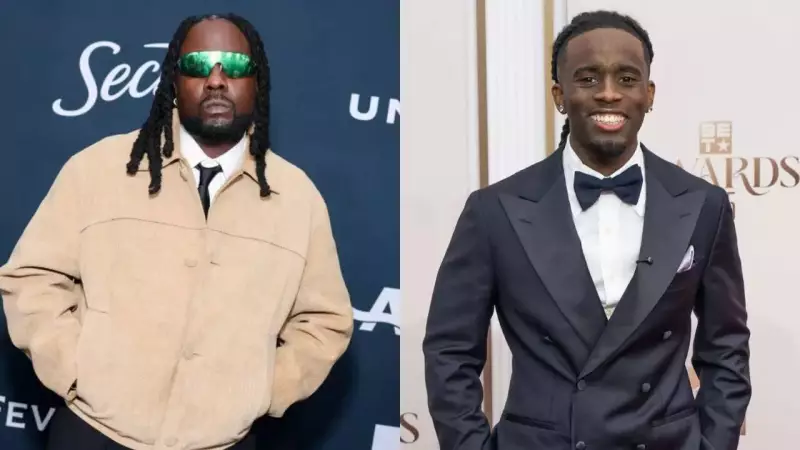
In a raw and revealing conversation, acclaimed rapper Wale has peeled back the layers on a seemingly trivial viral moment, exposing the profound emotional toll it can take on an artist's psyche. The incident, stemming from an awkward hallway exchange at the BET Awards with popular streamer Kai Cenat, evolved from internet meme fodder into a serious dialogue about legacy, relevance, and mental well-being in the fast-paced digital world.
The Viral Encounter That Sparked a Deeper Conversation
During a recent appearance on the popular Club Shay Shay podcast hosted by Shannon Sharpe, Wale delved into the now-infamous moment. What was a brief interaction quickly spiraled into widespread online ridicule after Cenat admitted on his livestream that he did not recognize the veteran rapper. Wale later approached Cenat privately, stating, "That sh*t making me look crazy now, just so you know. That's making me look crazy, the exchange we had in the hallway."
Wale emphasized that his reaction was not about a bruised ego, but about context and a lifetime of work. He painted a poignant picture of the disconnect, highlighting the emotional weight for an artist who has dedicated over 13 years to the culture. "Imagine giving your life to this game, then you go to support the culture... Then you go online, and everybody's like, 'Yo, @KaiCenat, he didn't know who you were,'" Wale shared, framing the incident as a blow that transcended mere embarrassment.

Beyond the Meme: Generational Shifts and Public Perception
Kai Cenat later offered a public apology, adding crucial perspective by noting he was only nine years old when Wale's iconic hit "Lotus Flower Bomb" was released. This detail starkly highlighted the growing chasm between traditional pathways to success in hip-hop and the new, influencer-driven landscape of fame. The online reaction was predictably split, with some dismissing Wale's feelings and others expressing deep sympathy for his position.
Wale's introspection moved the narrative far beyond a simple misunderstanding. It underscored how rapidly and ruthlessly narratives are formed in the digital sphere, and how even established figures with significant cultural capital are not shielded from their psychological impact. The episode became a case study in how virality can often eclipse history, leaving seasoned artists to grapple with a new set of rules for respect and recognition.
A Crucial Reminder on Mental Health and Respect
Ultimately, Wale's honesty served a greater purpose. By reframing the viral clip, he initiated a necessary conversation about the mental health of public figures. He pointed out that Cenat himself, an advocate for mental wellness, now better understands the unintended consequences of such moments. In an era where attention is currency, Wale's comments stand as a vital reminder that respect, context, and mental well-being remain paramount, regardless of one's age, platform, or mode of fame.
The conversation between Wale and Kai Cenat, though born from an awkward moment, has thus opened a necessary dialogue. It forces a examination of how we consume celebrity culture, the empathy we extend to artists, and the enduring human need for acknowledgment amidst the relentless noise of the online world.