Indian YouTuber's Wedding Video Ignites National Dowry Debate
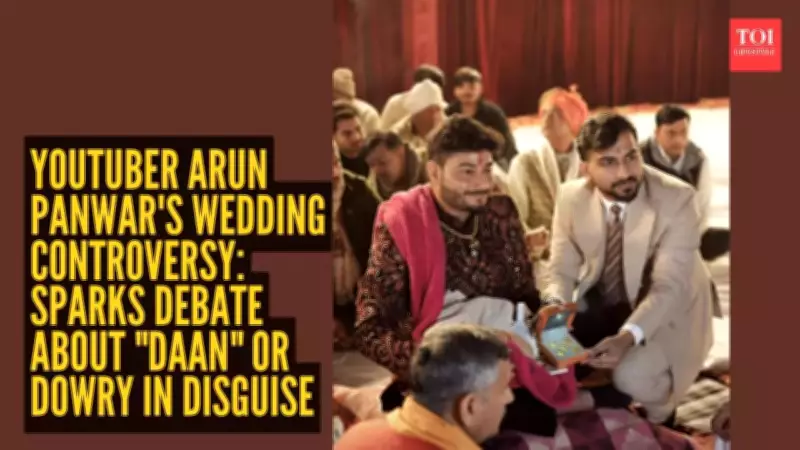
A seemingly joyous wedding video from popular Indian YouTuber Arun Panwar has unexpectedly exploded into a heated national controversy. The automotive vlogger, known for his car reviews and luxury vehicle content, shared highlights from his wedding celebrations that have now become the center of intense public scrutiny and debate across social media platforms.
The Controversial Display of Wealth
In the viral video clip, Panwar gleefully showcases what he describes as "daan" or charity from his bride's family. The display includes an astonishing INR 71 lakh in cash and 21 tolas of gold, presented with celebratory music and smiling faces. What has particularly stirred the controversy is Panwar's deliberate labeling of these substantial gifts as "daan" rather than acknowledging what many viewers perceive as dowry, which remains illegal under India's Dowry Prohibition Act of 1961.
The video has gained millions of views across X, Instagram, and YouTube platforms, but instead of receiving congratulations for the newlywed couple, it has attracted severe backlash from viewers and critics alike. This incident raises fundamental questions about whether this represents genuine charitable giving or whether it's simply dowry dressed up in elite terminology for public consumption.

Understanding Arun Panwar's Background
For those unfamiliar with the content creator, Arun Panwar is a prominent YouTuber specializing in automotive content. With approximately 2.4 million subscribers on his channel, he regularly reviews cars, trucks, and SUVs while building a loyal fanbase over the years. Reports suggest he earns roughly INR 20-25 lakh per month through his digital content creation. However, this wedding clip has dramatically overshadowed his automotive work, thrusting him directly into India's persistent and complex dowry debate.
Why This Video Went Viral
The wedding highlights video posted by Panwar featured upbeat music, celebratory moments, and the massive gift presentation labeled as "daan." The sheer scale of the gifts stunned viewers, with many questioning how Rs 71 lakh in cash and 21 tolas of gold could possibly be considered ordinary charitable giving. Critics were quick to point out that simply calling it charity doesn't erase what appears to be dowry implications, especially considering the clear legal prohibitions against such practices.
Social media platforms immediately lit up with reactions including:
- Memes satirizing the situation
- Angry rants about elite hypocrisy
- Serious questions about legal enforcement
- Concerns about societal pressure on middle-class families
Many commentators expressed concern that wealthy individuals publicly flaunting such gifts sets a toxic standard that creates unrealistic expectations for families across economic strata.
The 'Daan' Versus Dowry Debate
This controversy highlights a crucial semantic distinction with profound social implications. Traditionally, "daan" implies selfless giving, often associated with religious offerings or charitable donations without expectation of return. In contrast, dowry represents cash, goods, or property demanded from the bride's family as a condition for marriage—a practice that is not only illegal but has been linked to countless tragedies and domestic violence cases across India.
Detractors argue that Panwar's terminology feels like a sly loophole attempting to circumvent both social criticism and legal scrutiny. Netizens have been particularly vocal in their responses, with one commenter noting, "Semantics don't change the game. This pressures every bride's family to 'donate' big." Another wrote on X, "This disease thrives in 2026 elites, inspiring the poor to ape it—until they can't marry at all."
Some users even questioned law enforcement agencies, asking why no First Information Report had been filed despite the public nature of the video evidence. The irony was further amplified by the fact that Panwar's wife is reportedly a surgeon, leading one user to comment, "His wife's a surgeon—educated elite paving the way for barbarism."

The Broader Social Implications
Experts and ordinary citizens alike warn that such flashy displays of wedding wealth have dangerous societal consequences. Weddings already represent significant financial burdens for many Indian families, with celebrations sometimes leading to bankruptcy. When elite individuals publicly present what appears to be dowry under the guise of "voluntary" gifts, it creates additional pressure on less-privileged families who may feel inadequate by comparison.
Panwar's silence on the matter has only fueled the controversy further, with no apology or contextual explanation offered as the debate rages on. Meanwhile, his bride's family appears smiling in the video, leaving viewers to wonder about the off-camera dynamics and the true nature of these substantial gifts.
This incident raises important questions about the invisible dowry system that persists in contemporary India, often disguised under different names and justifications. As influencers like Panwar shape cultural norms through their content, this particular episode demonstrates how such influence can backfire dramatically when it appears to normalize practices that many consider socially harmful and legally prohibited.