Major Wave of TV Show Cancellations Sweeps Through 2026
The television landscape is undergoing a dramatic transformation in 2026, marked by a significant wave of high-profile show cancellations. This trend has left many fans disheartened as they bid farewell to beloved series, a development largely attributed to the ever-intensifying competition among streaming services and traditional broadcasters. The relentless pressure to capture audience attention and secure viewership has led to tough decisions, resulting in the abrupt end of numerous prominent shows across various platforms.
Notable Shows That Have Been Axed
This year has seen a diverse array of series being canceled, ranging from anticipated reboots to long-running staples. Here is a comprehensive look at the key casualties:
'Buffy the Vampire Slayer' Reboot Canceled by Hulu
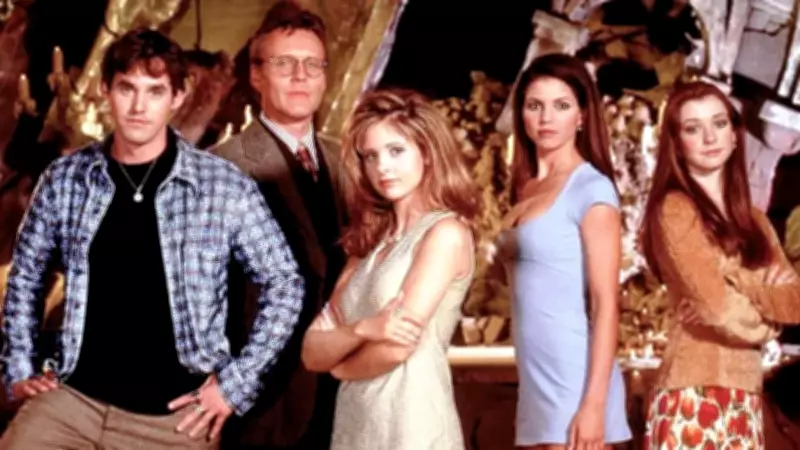
The highly anticipated 'Buffy the Vampire Slayer' reboot has been officially canceled by Hulu. Sarah Michelle Gellar, the iconic star of the original series, confirmed that an executive decision halted the project's progression. The show, which originated as a 1992 film by Joss Whedon before becoming a hit TV series in 1997, was set to explore a new chapter in the Buffyverse. This revival was to be written by Nora and Lila Zuckerman and directed by Oscar-winning filmmaker Chloé Zhao, making its cancellation a notable disappointment for fans.

'Talamasca: The Secret Order' Ends After One Season
Anne Rice's 'Talamasca: The Secret Order' has been canceled following its six-episode first season in 2025. The series delved into the mysterious Talamasca society, a group dedicated to tracking and containing supernatural entities like witches and vampires across the globe. Despite its intriguing premise, it failed to secure a renewal, highlighting the challenges new shows face in today's crowded market.
'Access Hollywood' and 'Access Live' Conclude Long Runs
The entertainment news program 'Access Hollywood' is ending after an impressive 30-year run, with its companion show 'Access Live' also being canceled. New episodes will continue to air through September 2026, allowing for a gradual farewell. This move reflects shifting viewer preferences and the increasing dominance of digital platforms over traditional television formats.
'Watson' Canceled After Two Seasons
'Watson' has been axed after two seasons, with its second season currently airing and set to conclude in May. The show, which picks up months after Sherlock Holmes's death, focuses on Dr. John Watson as he leads a clinic for rare disorders. Its cancellation underscores the difficulty of sustaining spin-offs in a competitive environment.
'Star Trek: Starfleet Academy' Will Not Return for Season 3
There will be no third season for 'Star Trek: Starfleet Academy.' Season 1 debuted earlier this year, and season two has already been filmed but lacks a release date. The series followed young cadets navigating friendships, rivalries, and threats to the Federation, yet it could not secure a future in the saturated sci-fi genre.
'DMV' Ends After a Single Season
The comedy series 'DMV,' starring Harriet Dyer, Tim Meadows, and others, has been canceled after just one season. It debuted in the fall and will air its finale in May, illustrating the high stakes for new comedies in a market where longevity is increasingly rare.
'Palm Royale' Canceled After Season 2
Kristen Wiig's 'Palm Royale' has been canceled following its second season, with the season two finale now serving as the series finale. The show, described as an underdog story about breaking into high society, asked poignant questions about sacrifice and ambition, yet could not withstand the competitive pressures.

Industry Implications and Future Outlook
This wave of cancellations signals a broader trend in the entertainment industry, where the explosion of content from streaming services and OTT platforms has created a hyper-competitive environment. Shows must now demonstrate immediate success and strong viewer engagement to survive, leading to shorter lifespans and more frequent endings. As platforms continue to prioritize profitability and audience retention, fans can expect further shifts in programming strategies, with an emphasis on quality over quantity and a focus on innovative storytelling to stand out in the crowded digital arena.