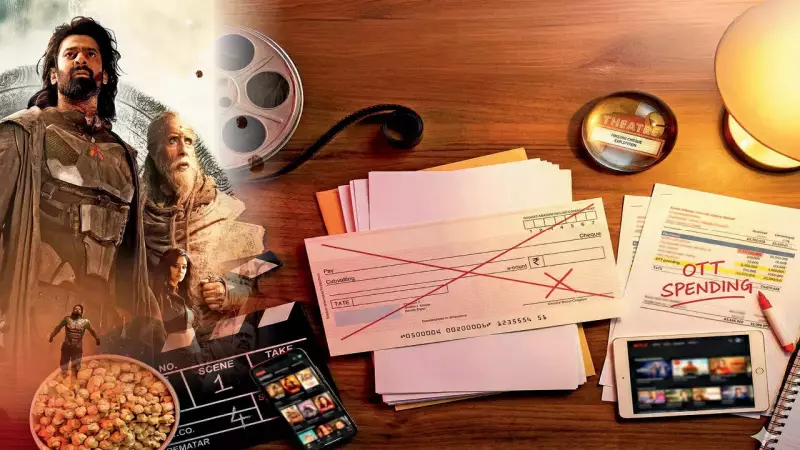
Recent trade reports reveal that Netflix has finalized a deal to secure the streaming rights for the Dhurandhar franchise. The platform will pay approximately ₹130 crore for both parts of the film series. This figure might have seemed surprisingly low just a few years ago. Back then, major streaming services like Netflix, Amazon Prime Video, and Disney+ Hotstar were writing much larger checks without hesitation.
The New Equilibrium in OTT Film Acquisitions
According to trade analysts, the film acquisition market has experienced several boom-and-bust cycles since the pandemic began. One industry expert explains that the current situation represents not a correction but an equilibrium. In today's streaming landscape, ₹130 crore stands as a substantial amount for film rights.
How Streaming Platforms Changed Their Pricing Strategy
During the pandemic, major film titles triggered intense bidding wars among OTT platforms. That competitive frenzy has largely disappeared. Trade experts now estimate that OTT rates for big-budget films have declined significantly. Platforms have become unwilling to pay premium prices when theatrical performance remains uncertain.

After the pandemic, several films that received huge streaming payouts failed to deliver either box office success or strong streaming traction. Platforms took careful note of these disappointing results.
The Direct Link Between Theatrical Performance and Streaming Value
Film business analyst Girish Johar provides insight into this shift. "Over the past two years, platforms discovered that acquiring expensive star-driven films doesn't necessarily translate into new subscribers," he says. "Simultaneously, box office collections have faltered, with numerous high-profile releases underperforming across languages."
Platforms realized that films failing in cinemas were also failing on their streaming apps. Consequently, streaming services revised their acquisition rules. They now link digital rights pricing directly to theatrical performance.
OTT executives explain their reasoning. A film that succeeds in theaters has already passed the toughest test – audience acceptance. Paying more for such a title becomes not a risk but a calculated investment.
The Pandemic Gold Rush and Its Aftermath
Trade analysts describe how streaming platforms operated during the pandemic with a gold-rush mentality. Cinemas remained closed, audiences stayed home, and platforms faced pressure from investors and global headquarters to grow rapidly.
"Producers sensed their leverage and began demanding prices two or three times their films' perceived value," says Girish Johar. "Platforms not only agreed but engaged in bidding wars around major releases."
As audiences returned to theaters, subscriber growth slowed. Engagement dipped when box-office failures flooded OTT platforms.
How Film Acquisition Prices Are Determined Today
Under the new model, negotiations have become more measured and conditional. Producers typically open talks by asking for 60 to 80 percent of their production cost for streaming rights. What they often receive instead is a base price closer to 40 percent, with additional payments tied directly to box office performance.
Trade analysts explain the current system. "If a film performs well theatrically, the final price increases in slabs – typically 5 to 10 percent at a time across all language versions."
For context, satellite television rights – once the backbone of non-theatrical revenue – now fetch barely 10 percent of a film's budget. This dramatic shift highlights how streaming has transformed the entertainment economy.