

Bengal has had a long, textured history of artistes across disciplines engaging with activism. A significant part of their work as actors, filmmakers, theatre professionals and even music composers was devoted to shaping public opinion, igniting debates around geopolitical events and sparking conversations about uncomfortable truths. Luminaries of a certain era wore their political ideologies with pride and conviction. Utpal Dutt, known for his impeccable comic timing in commercial Hindi films and epic turns in Ray's classics, was also the creative force behind the PLT's searing political plays. And it did not matter to his diverse audiences who paid to watch him perform.
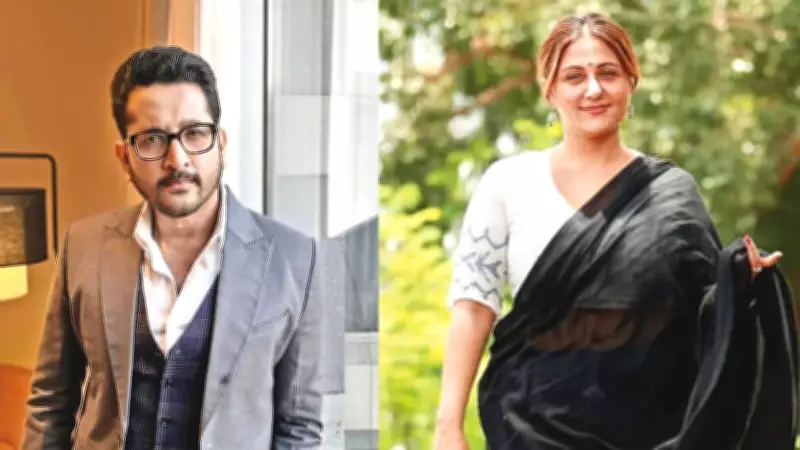
Recent developments in Tollywood – the furious discussions about correcting past wrongs, cancel culture, bans, and now the FIRs registered against Parambrata Chattopadhyay and Swastika Mukherjee – are symptomatic of a deeper malaise: the extreme and seemingly irrevocable politicisation of every aspect of creative life. Your craft is no longer important. Your chemistry with co-actors is no longer important. Your ability to draw audiences to theatres is no longer important. What remains under scrutiny is your political allegiance. Whether you dip your toes into electoral politics, show up at a rally, or make films that align with a particular ideology suddenly becomes central to your identity as an artiste.
To be fair, it is not easy being a public figure in Bengal and staying neutral, apolitical, or disengaged from what is happening around you. There are only a few who have consistently remained politically private despite their popularity. Others have had to pay a price for being vocal and visible. Maybe it is time to forcefully de-link creative careers from politics; being a contrarian should not mean losing out on work.

In politics, they say, there are no permanent foes or friends. The world of filmmaking is not very different, especially because it is a collaborative art. From making over 100 films a year, our 'industry' is now struggling to release 30. In this environment, is it prudent, for once, to keep politics aside and return to art for art's sake?

