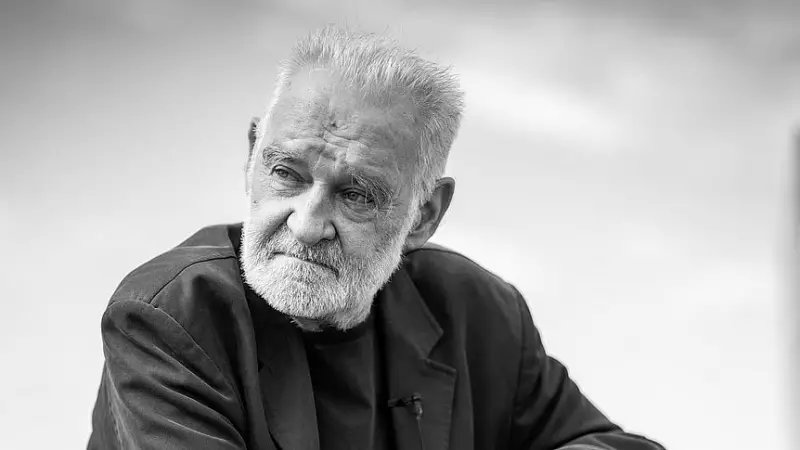
The world of cinema has lost one of its most distinctive and uncompromising voices. Béla Tarr, the Hungarian auteur celebrated for his profoundly slow, black-and-white, and philosophically dense films, has passed away at the age of 70.
From Humble Beginnings to Cinematic Giant
Born in 1955 in Hungary during the era of Communist rule, Tarr's journey into filmmaking began with a focus on stark social realism. His debut feature, 'Family Nest' in 1979, was a domestic drama that captured the struggles of everyday life with a raw, almost documentary-like intensity. This early work set the stage for a career that would evolve dramatically in style but remain steadfast in its exploration of the human condition.
Over the decades, Tarr moved away from the social realism of his youth to develop a signature style that became his hallmark. His films, often featuring long, mesmerizing takes, stark landscapes, and a deep sense of existential melancholy, created a unique cinematic language. He became the undisputed titan of what critics termed 'slow cinema', a movement prioritizing mood, atmosphere, and duration over conventional narrative pacing.

Masterworks That Defined an Era
Tarr's international reputation was cemented by a series of masterpieces that are considered essential viewing in film circles worldwide. His monumental, seven-hour epic 'Satantango' (1994) is often cited as one of the greatest films ever made, a hypnotic portrayal of a collapsing agricultural collective. Other key works include 'Werckmeister Harmonies' (2000) and his final film, 'The Turin Horse' (2011), a bleak and powerful meditation on the end of the world.
His films are characterized by their technical brilliance, often involving incredibly complex, single-take sequences that could last over ten minutes. This demanding style required immense precision from his collaborators and created an immersive, often challenging, experience for the audience. Tarr's cinema was not about entertainment in the traditional sense; it was an artistic and philosophical undertaking.
A Lasting Legacy in World Cinema
The passing of Béla Tarr marks the end of a significant chapter in the history of world cinema. His influence extends far beyond Hungary, inspiring generations of filmmakers across the globe who seek to explore the boundaries of time and perception on screen. Film festivals, critics, and cinephiles revered him as a true artist who remained fiercely independent and true to his vision.
While his body of work is not vast, its impact is profound. Each film is a meticulously crafted world, asking deep questions about existence, society, and decay. For Indian audiences and filmmakers engaged with parallel and artistic cinema, Tarr's work stands as a pinnacle of directorial control and atmospheric storytelling. His death is a significant loss, but his films ensure his legacy as a cinematic giant will endure for generations to come.