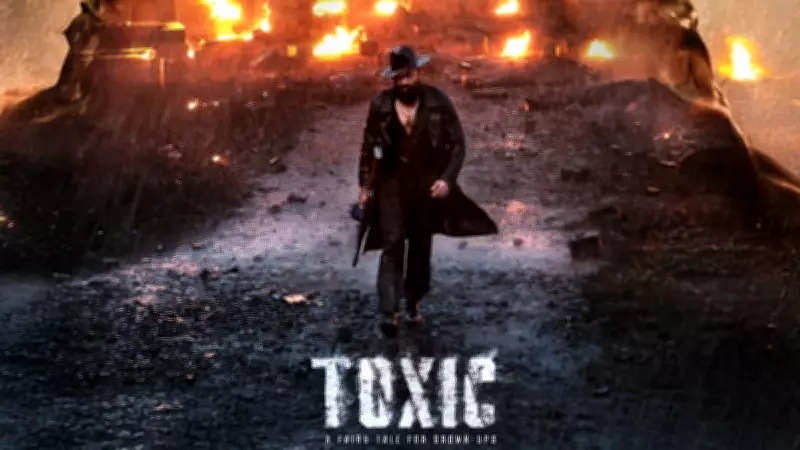
Christian Organization Raises Objections to 'Toxic' Film's Depiction of Saint Michael
A significant controversy has erupted in the Indian film industry as a prominent Christian body has formally objected to the portrayal of Saint Michael in the highly anticipated movie 'Toxic', starring Kannada superstar Yash. The film, scheduled for release in 2026, is now under scrutiny for its potential misrepresentation of religious figures, sparking debates on artistic freedom versus religious sensitivity.
Details of the Objection and Concerns Raised
The Christian organization, which has not been named in initial reports, expressed deep concern over the depiction of Saint Michael, a revered archangel in Christian theology. According to sources, the body fears that the film might present the saint in a manner that is inaccurate or disrespectful, potentially leading to misunderstandings among audiences. This objection comes amid growing awareness of cultural and religious sensitivities in cinema, particularly in regional film industries like Kannada cinema where Yash is a major figure.
In a statement, representatives of the Christian body emphasized the importance of maintaining the sanctity of religious icons in media. They argued that filmmakers have a responsibility to avoid content that could be perceived as blasphemous or offensive to any community. The organization has called for a review of the film's script and scenes involving Saint Michael to ensure they align with respectful portrayals.

Impact on 'Toxic' and Yash's Career
'Toxic' is one of the most awaited projects in Indian cinema, with Yash returning to the big screen after the massive success of the 'KGF' series. Directed by Geethu Mohandas, the film has generated considerable buzz for its ambitious scale and storytelling. However, this controversy could pose challenges for its production and marketing, as filmmakers may need to address these concerns to avoid backlash.
Industry experts note that such objections are not uncommon in Indian cinema, where religious and cultural themes often intersect. Past instances have seen films being modified or facing protests over similar issues. For Yash, who has built a reputation as a pan-Indian star, navigating this controversy will be crucial to maintaining his appeal across diverse audiences.
Broader Implications for Regional Cinema and Censorship
This incident highlights the ongoing tension between creative expression and community sentiments in India's film industry. Regional cinema, including Kannada films, has increasingly gained national attention, making such controversies more visible. It raises questions about:
- The role of censorship boards in evaluating religious content.
- The need for dialogue between filmmakers and religious groups.
- How to balance artistic vision with cultural respect.
As of now, the makers of 'Toxic' have not issued an official response to the objections. The film is in early stages of production, and it remains to be seen how this will affect its development. Observers suggest that a collaborative approach, involving consultations with religious authorities, could help mitigate the issue and ensure the film's success without offending sensibilities.
In conclusion, the controversy over 'Toxic' serves as a reminder of the delicate nature of portraying religious figures in cinema. With its release still years away, all eyes will be on how Yash and his team handle this challenge, potentially setting a precedent for future projects in Indian and regional filmmaking.