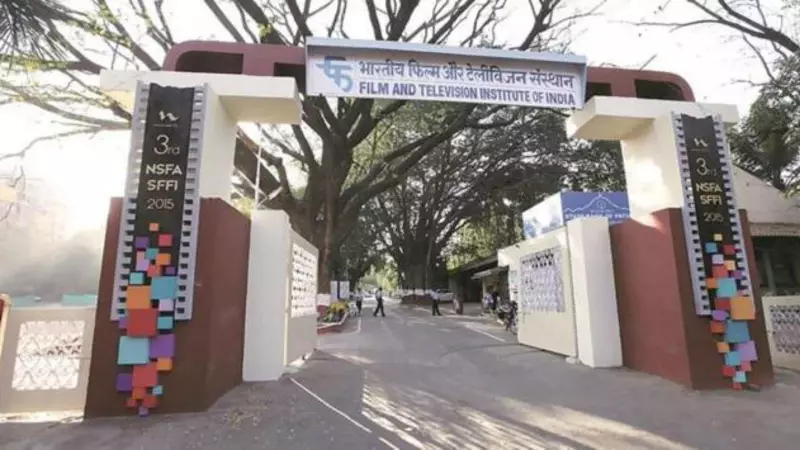
A profound question about the future of Indian cinema echoed under the iconic Wisdom Tree at Pune's Film and Television Institute of India (FTII) recently. On December 26, 2025, the FTII Students Association hosted an open discussion, provocatively asking: Do we need film schools like FTII? While the answer was a resounding yes, the very need for such a query reveals deep anxieties gripping film education and independent storytelling in the country.
The Growing Imbalance in India's Visual Culture
The discussion highlighted a stark shift in India's cinematic landscape. Films engineered for mass entertainment and political conformity, like the box-office giant Dhurandhar, flow effortlessly across screens. In contrast, complex, politically reflective works face systematic marginalization. The independent film Humans in the Loop, focusing on an Adivasi woman, survived through a grassroots network of screenings. Critically praised films like Agra struggled for multiplex slots. Recently, several titles were denied censor clearance for the International Film Festival of Kerala (IFFK).
This creates a troubling paradox: films that could build India's artistic identity globally face resistance at home. When box-office numbers become the sole measure of quality, a binary logic of blockbuster or erasure takes over. This cinematic backsliding shrinks the space for nuance, contracts parallel cinema, and stifles the alternative imaginations of new filmmakers, many of whom now tailor projects primarily for producer approval.

A Crippled Ecosystem and Glimmers of Hope
Independent cinema faces a severe production crisis. With domestic producers retreating from mainstream ventures, indie filmmakers often rely on Western co-productions, grants, and festival circuits, sometimes conforming to European expectations. This hampers the emergence of a truly indigenous cinema that challenges Eurocentric visual grammar, a tradition upheld by masters like G. Arvanidan.
There are faint signs of hope. Several states now offer production subsidies, encouraging films in local dialects. However, this aid often follows the same skewed logic, favoring mainstream projects. For instance, Uttar Pradesh's Film Bandhu department has, over the past nine years, funded zero independent projects, despite rhetorical support for regional stories. Similarly, a Rs 5 crore annual grant from the Ministry of Information and Broadcasting for recent FTII alumni at IFFI, Goa, lacks clear guidelines, raising fears it may bypass independent filmmakers.
Institutional Transition and the Need for Autonomous Support
FTII itself is in a historic transition. Previously an independent institute under the I&B Ministry, it will now be overseen by the University Grants Commission (UGC) before merging with AICTE and NCTE. Under the previous oversight, the institute saw no proper audit, questionable appointments, and a unique dean for life appointment. The increasing political outreach from Delhi, participants argued, treats FTII like a bureaucratic possession, eroding autonomy.
The path forward is clear. If India desires a lasting global footprint in filmmaking—exemplified by alumna Payal Kapadia's Cannes success—it requires institutional assistance without interference. This support must nurture experimentation, allowing independent cinema to thrive and contribute to the creative economy. The Indian film ecosystem must protect the culture of fostering independent thought, a legacy cherished at FTII. The conclusion under the Wisdom Tree was definitive: Yes, we need FTII. In fact, we need many more like it.