

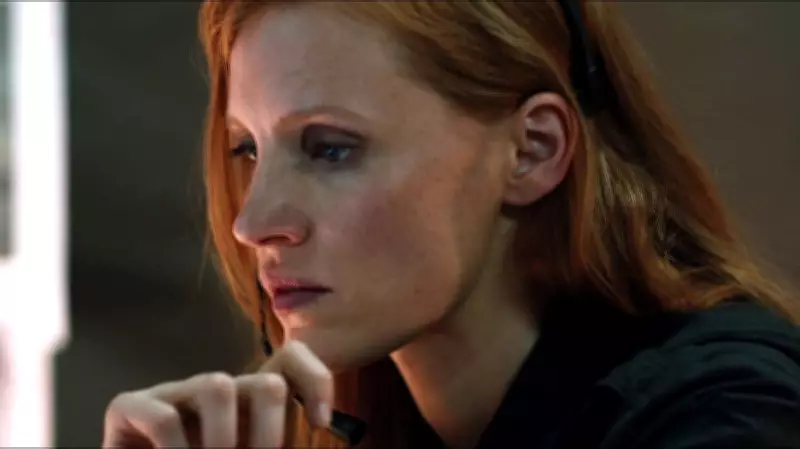
The male gaze, a term coined by film critic Laura Mulvey in 1975, continues to be a pervasive crutch in popular cinema. Despite progress in gender equality, many mainstream films still rely on this perspective, objectifying women and limiting narrative depth.
The Persistence of the Male Gaze
From blockbuster action films to romantic comedies, the camera often lingers on female bodies, prioritizing visual pleasure over character development. This not only reinforces stereotypes but also shapes audience expectations. Directors frequently use this technique to attract viewers, but it often comes at the cost of authentic storytelling.
Impact on Storytelling
When the male gaze dominates, female characters are reduced to passive objects rather than active agents. Their stories revolve around male desires, sidelining their own ambitions and complexities. This limits the range of narratives and alienates diverse audiences.

- Objectification: Women are frequently shown in revealing clothing or through voyeuristic camera angles.
- Lack of Agency: Female characters often exist only to support male protagonists.
- Narrow Perspectives: The industry misses opportunities for richer, more varied stories.
Industry Responses and Alternatives
Some filmmakers are challenging this norm. Movies like Wonder Woman and Mad Max: Fury Road offer counterexamples, where female characters drive the plot without being objectified. However, these remain exceptions. The industry still leans heavily on the male gaze as a safe commercial strategy.
The Role of Audiences
Viewers are increasingly calling for change. Social media campaigns and critical reviews highlight the need for more equitable representation. As audiences become more aware, studios may feel pressure to adapt.
- Diverse writing teams can bring fresh perspectives.
- Directors can choose to subvert or reject the male gaze.
- Critics and viewers can reward films that offer balanced portrayals.
Conclusion
The male gaze remains a crutch in pop cinema, but it is not unbreakable. By embracing inclusive storytelling, the film industry can move beyond outdated tropes and create works that resonate with a broader audience. The future of cinema depends on breaking free from this limiting perspective.

