

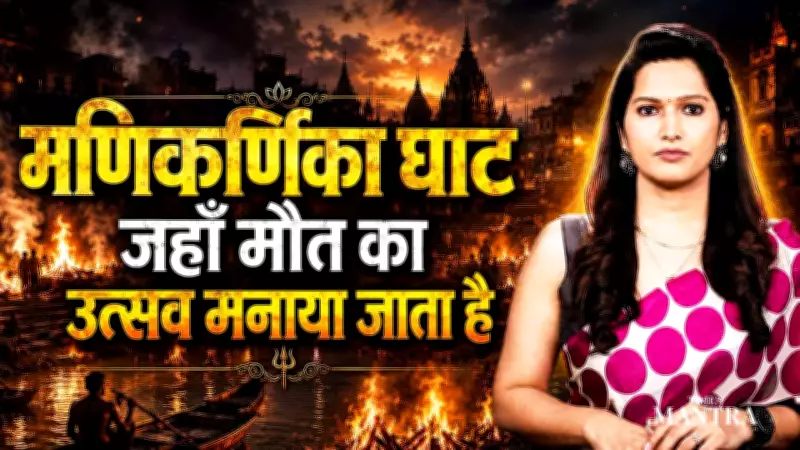
For centuries, Manikarnika Ghat in Kashi has been known as the place where the sacred fire never dies. According to Hindu beliefs, cremation here can help liberate the soul from the endless cycle of birth and death. But what is the mystery behind this ancient ghat, where death is not mourned but seen as a path to moksha? Join us as we explore the legends, spiritual significance, hidden traditions, and unanswered questions surrounding one of India’s most sacred and enigmatic places. Discover why Manikarnika Ghat continues to fascinate devotees, seekers, and historians alike.
The Eternal Flame of Manikarnika Ghat
Manikarnika Ghat, located on the banks of the Ganges in Varanasi, is considered the most sacred cremation ground in Hinduism. The ghat is famous for its eternal flame, which is believed to have been burning for thousands of years. According to legend, the flame was lit by Lord Shiva himself and has never been extinguished. This sacred fire is used to kindle the funeral pyres of the deceased, ensuring their souls are purified and liberated.
Legends and Mythology
Several myths surround Manikarnika Ghat. One popular legend states that Lord Vishnu dug a pit with his discus, which was later filled with Shiva's sweat, creating a sacred pond known as Manikarnika Kund. Another story says that the ghat is where the earring (karnika) of the goddess Parvati fell, giving the place its name. It is also believed that the god of death, Yama, grants moksha to anyone cremated here, freeing them from the cycle of rebirth.

Spiritual Significance
For Hindus, dying and being cremated at Manikarnika Ghat is the ultimate goal. It is believed that the soul attains moksha immediately, breaking the cycle of samsara. The ghat is a place where death is not mourned but celebrated as a transition to liberation. The constant chanting of mantras, the presence of priests, and the sight of the eternal flame create an atmosphere of profound spirituality.
Hidden Traditions and Rituals
Manikarnika Ghat is also home to unique traditions. The Dom community, who are responsible for tending the sacred fire and performing cremations, have been doing so for generations. There are specific rituals for different castes and communities, and the timing of cremation is determined by astrological calculations. The ghat operates 24 hours a day, with funeral pyres burning continuously. Despite the somber nature of the place, it is not a site of sorrow but of deep faith and acceptance of the cycle of life and death.
Unanswered Questions
Despite its long history, Manikarnika Ghat holds many mysteries. How does the sacred fire never die? What is the scientific explanation behind the continuous burning? Some believe that the fire is maintained by a natural gas vent or a hidden underground source. Others attribute it to the devotion and rituals of the Doms. The ghat also has a unique microclimate that prevents the spread of smoke and odor, which remains unexplained. These unanswered questions continue to fascinate researchers and spiritual seekers alike.
Why Manikarnika Ghat Fascinates
Manikarnika Ghat is not just a cremation ground; it is a symbol of the Hindu philosophy of life and death. It attracts thousands of visitors each year, from devotees seeking blessings to tourists curious about its mystery. The ghat has been featured in numerous documentaries and travel shows, and it remains a focal point for understanding the spiritual heritage of India. Its enduring appeal lies in its ability to make people confront the reality of death while offering hope for liberation.
Conclusion
Manikarnika Ghat is a place where the boundaries between life and death blur, and where faith in the cycle of rebirth finds its ultimate expression. Whether you are a believer or a skeptic, the ghat's atmosphere and history leave a lasting impression. As the sacred fire continues to burn, it reminds us of the eternal quest for moksha and the mysteries that lie beyond our understanding.

