

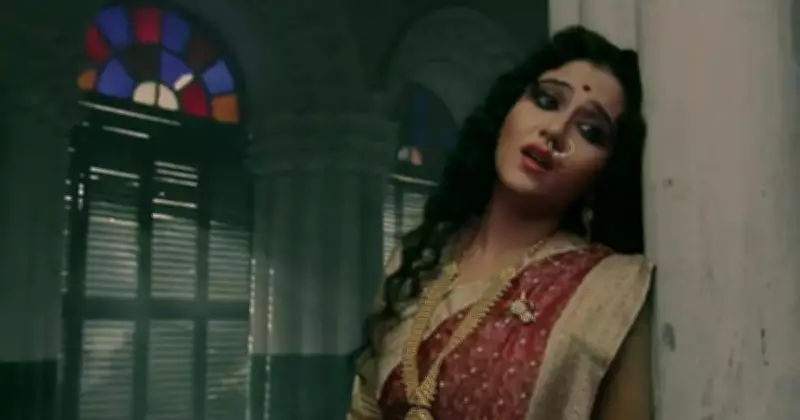
Growing up, Bengali cinema was not a staple for family viewing in my household. But one weekend in 2012, my parents broke the routine, and I found myself in a theatre watching Bhooter Bhabishyat. I faintly remember my mother saying, 'Everyone says the film is very good, we must go see it.' At the time, I was too young to understand I was witnessing a cinematic resurrection. I simply enjoyed the light-hearted feel, the larger-than-life costumes, exaggerated songs, and caricatured names. Only later, through repeated viewings, did I discover its sharper layers. From that day, an Anik Dutta release became an unmissable event on our family calendar.
The Void in Bengali Comedy
For decades after the golden era of Bhanu Bandopadhyay, Rabi Ghosh, and Jahor Roy, Bengali audiences lived with a strange void. We missed that classic, full-bodied laugh on screen. Only Satyajit Ray before him could make audiences absorb social commentary through humour without forcing them to overthink. Dutta gave Bengali viewers exactly what they craved: a roaring good laugh that never insulted their intelligence. His cinema was accessible yet never mindless. Every character and dialogue felt meticulously crafted. As an ad man-turned-filmmaker, his eye for detail was impossible to miss. When was the last time audiences walked out of a theatre still quoting punchlines years later, or remembering side characters by name?
Fearless Storytelling
What made Dutta exciting was his refusal to play safe. After the supernatural satire of Bhooter Bhabishyat, he pivoted to Ascharya Pradip, using a magical lamp to expose middle-class consumerism. Then came Borunbabur Bondhu, featuring the late Soumitra Chatterjee, where he stripped away loud humour to tell an intimate story about loneliness, ageing, and social phoniness. His cinematic fearlessness peaked with Aparajito. At a time when Bengali cinema was dwindling, releasing a film shot largely in black and white felt like a gamble. Yet week after week, theatres were housefull. The film, a biography of Ray, also stood as a testament to artistic courage against institutional odds, as it was refused space at Nandan, whose logo was designed by Ray himself.

Trusting Unassuming Faces
What also set Dutta apart was that, at a time when Bengali cinema leaned heavily on star power, he trusted unassuming faces. He extracted performances that became landmark moments in those actors' careers. As a viewer, I was struck by his approach to casting without preconceived notions. What mattered was whether someone belonged truthfully within the world of the film.
A Poignant Goodbye
Today, it feels impossible not to think about the last song he shared on Facebook – Melanie Safka's What Have They Done to My Song Ma. A deeply personal song, shared by a filmmaker who repeatedly found his own voice challenged and resisted. For those who remember, Bhabishyater Bhoot too had disappeared from theatres overnight, despite releasing across 44 cinema halls, after he publicly called out the 'culture of sycophancy' at film festivals. In retrospect, the song feels like the exhaustion of an artist who understood what it meant to keep speaking in his own voice, even when the room grew uncomfortable.
As a cine-goer, his absence feels unsettling. We have not merely lost a filmmaker who made us laugh, but one of the few who dared to laugh back at the obnoxious show of power.

