For generations, the powerhouse film industries of South India—Telugu, Tamil, Malayalam, and Kannada—have been synonymous with male-dominated storytelling. The formula for a mass entertainer was clear: a heroic male lead, high-octane action, dramatic flair, and the undeniable star power of male actors. Women, though often present, were largely confined to decorative, romantic, or supportive roles. However, a profound and quiet revolution has been reshaping this landscape, culminating in a watershed year: 2025. This shift is redefining screen narratives, resetting audience expectations, and transforming female characters from peripheral figures into the central architects of compelling stories.
The Foundation: Pioneering Films That Paved the Way
This transformation did not occur overnight. It was built upon a series of courageous films that dared to center the complex interior worlds of women—their ambitions, fears, strengths, and contradictions. These were not films that merely featured women; they were unequivocally led by them.
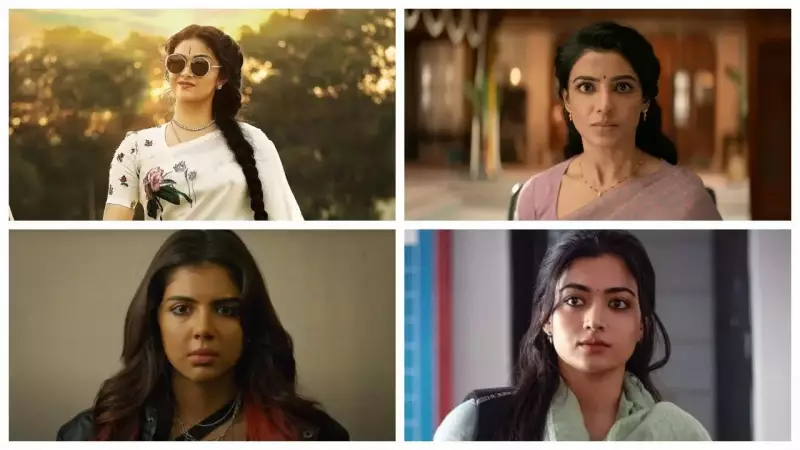
One of the early trailblazers was the historical biopic 'Rudhramadevi' (2015), starring Anushka Shetty. It brought to life the story of one of the few ruling queens in Indian history, challenging the industry's reluctance towards women-led action spectacles. Shetty had already demonstrated her carrying power with the horror-fantasy 'Arundhati'. The momentum continued with the 2018 critical and commercial success, 'Mahanati'. This biographical drama, featuring Keerthy Suresh as the legendary actress Savitri, proved that stories deeply rooted in women's emotional and cultural experiences could resonate powerfully with both critics and audiences, holding the record for the highest-grossing female-led South Indian film for years.

Further cementing this trend was Anushka Shetty's 'Bhaagamathie' (2018), a genre-blending horror-thriller that featured a formidable female lead, demonstrating that women could headline and command high-concept films.
2025: The Year of the Female Superhero and Social Realism
The year 2025 marked a definitive tipping point for female-driven storytelling in South Indian cinema. The Malayalam superhero film 'Lokah Chapter 1: Chandra', headlined by Kalyani Priyadarshan, achieved what few predicted. It became the highest-grossing female-led film in South Indian history and the second highest in all of Indian cinema. Shattering the ₹100 crore mark in India, it also claimed the title of the highest-grossing Malayalam film of all time. 'Lokah' was monumental not just for its box office numbers but for its narrative confidence, positioning its female protagonist as the epicenter of her own mythos, independent of a male star's backing.
Alongside blockbuster spectacles, a parallel wave of female-led social realism continued to make a deep impact. Films like the critically acclaimed 'The Great Indian Kitchen' (2021) and its successful Hindi remake, along with hard-hitting narratives from actors like Anupama Parmeswaran in 'Parada' and 'JSK: Janaki V vs State of Kerala', exposed societal constraints and systemic failures. These films derived their power not from visual effects but from emotional authenticity and the stark portrayal of domestic and social realities. The year also saw Anushka Shetty return with 'Ghaati', a story of revenge and community upliftment.
The Future is Female: A New Chapter Begins
The surge of women-centric narratives shows no signs of slowing. 2026 has begun with a bang, highlighted by Samantha Ruth Prabhu's upcoming film 'Maa Inti Bangaaram', which she also produces. Speaking about the project, Samantha said, "Maa Inti Bangaaram tells the story of a woman whose strength comes as much from her vulnerability as from her courage... I’m truly excited for audiences to experience this story."

It is important to note that not every female-led film has been a box office hit, a reality that mirrors the fate of many male-led ventures as well. However, this movement transcends mere representation. It signifies a vital diversification of narrative forms, a deeper engagement with varied audience experiences, and, crucially, the commercial recognition that stories centered on women can sell tickets, ignite national conversations, and win awards.
This seismic shift reflects broader cultural currents. Women on screen are no longer just the love interest, the caretaker, or the victim. They are the heroes, the flawed protagonists, and the powerful architects of their own destinies. While 2025 may be celebrated as the year the glass ceiling visibly cracked, in reality, this is only the opening act of a much longer and more inclusive story for Indian cinema.